Our Latest News- August 5, 2026
Education Program and Lourdas Field Station
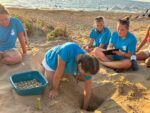
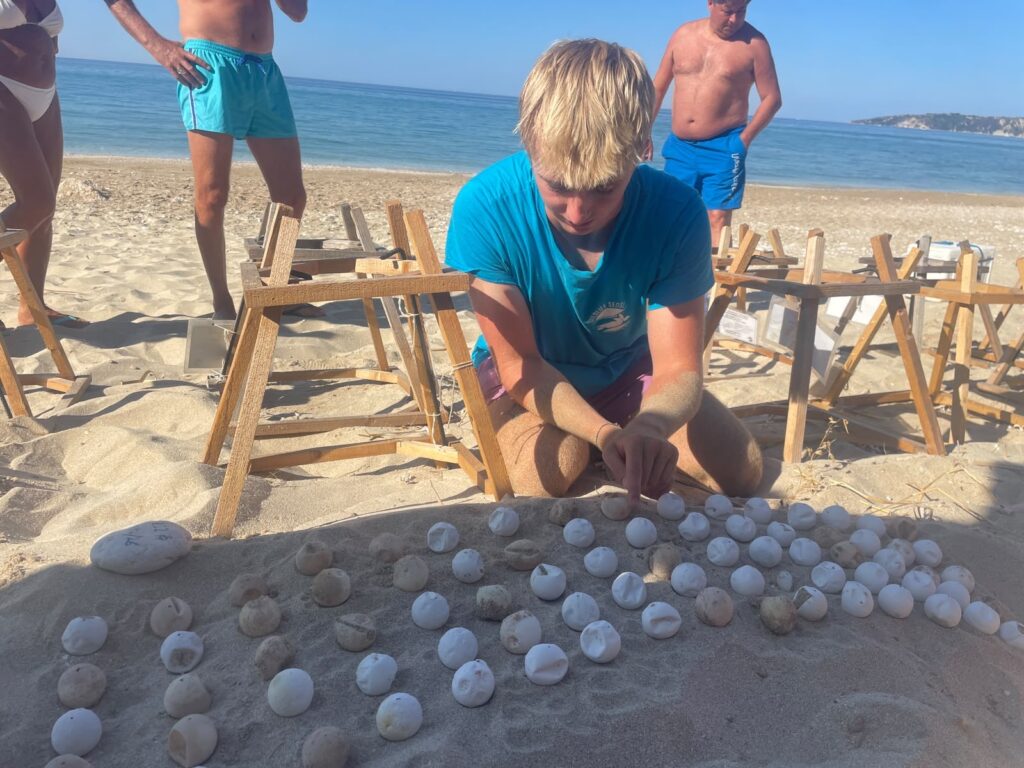
As nesting season is slowly starting to wind down, we have now really excitingly begun welcoming hatching season. Although we are yet to see any hatchlings on our Lourdas survey area beaches, we have opened and explored the viability of the eggs in two nests that have been incubating for over 60 days. Any viable eggs are still incubating, and we now eagerly await those eggs to hatch any day now! As we have arrived in August, we are now relocating any newly laid nests to Megali Ammos, a beach in our airport survey area. Nests still incubating in the Lourdas area later in the season would be at a high risk of inundation as we expect to see more storms. Although Megali Ammos is further from the Lourdas area, the nests can be relocated to safer areas on this beach, further away from the sea.
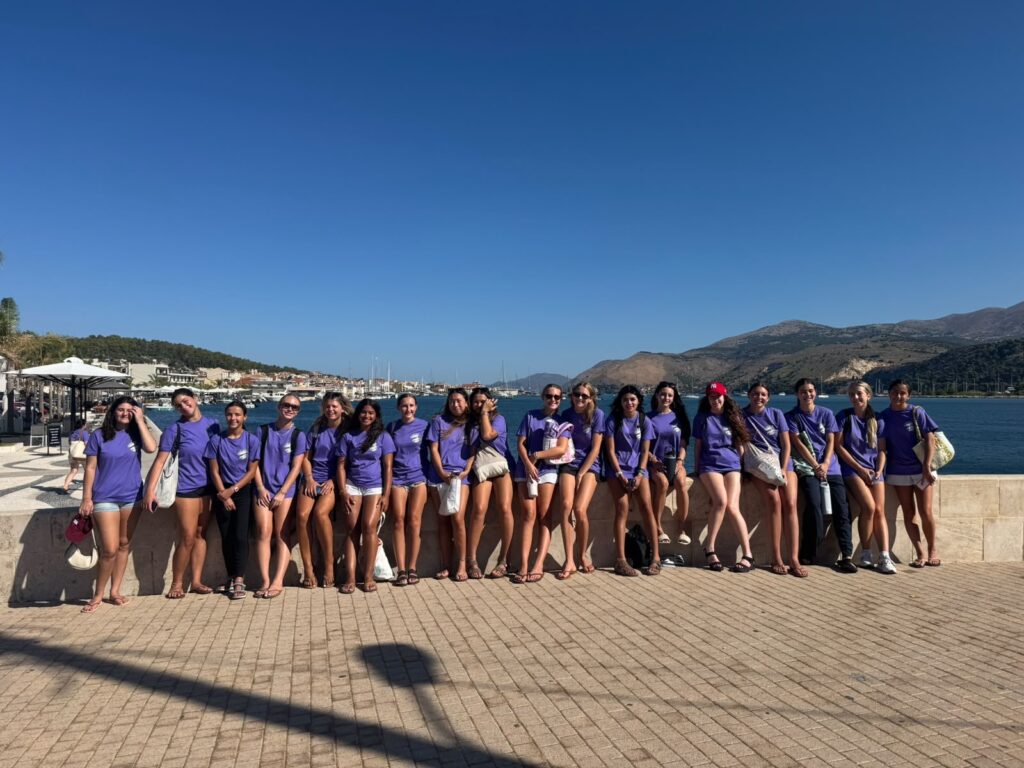
In the last fortnight we have also welcomed our first family groups who have enjoyed taking part in all of our surveys, and attending presentations throughout their time with us.
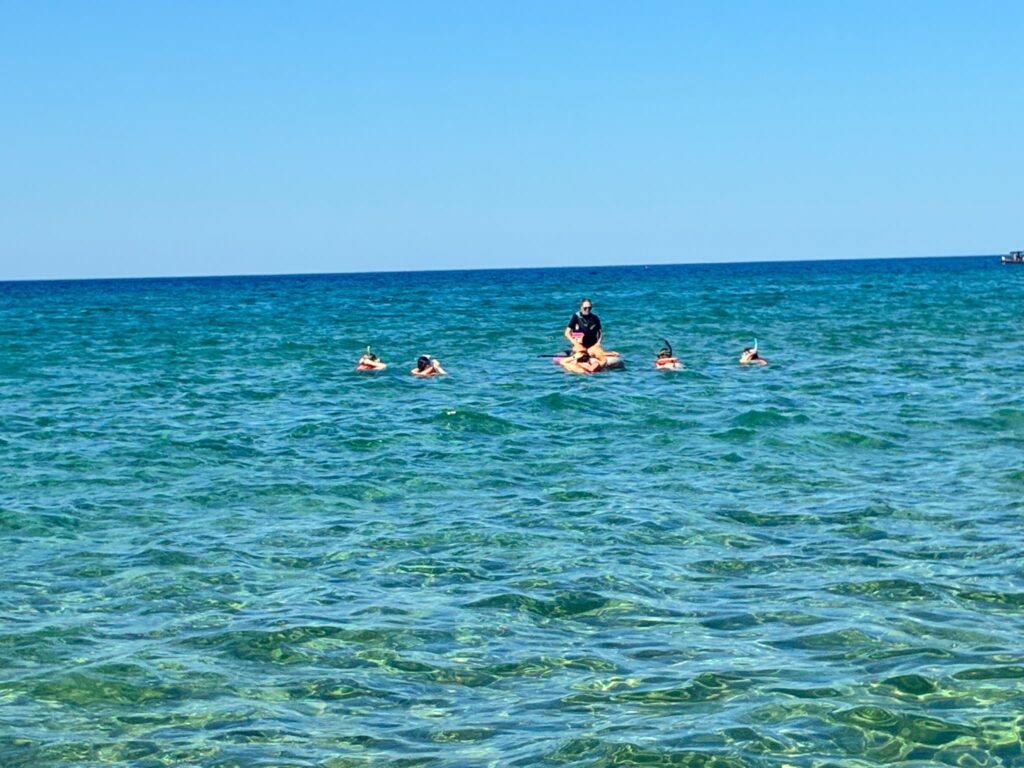
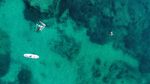
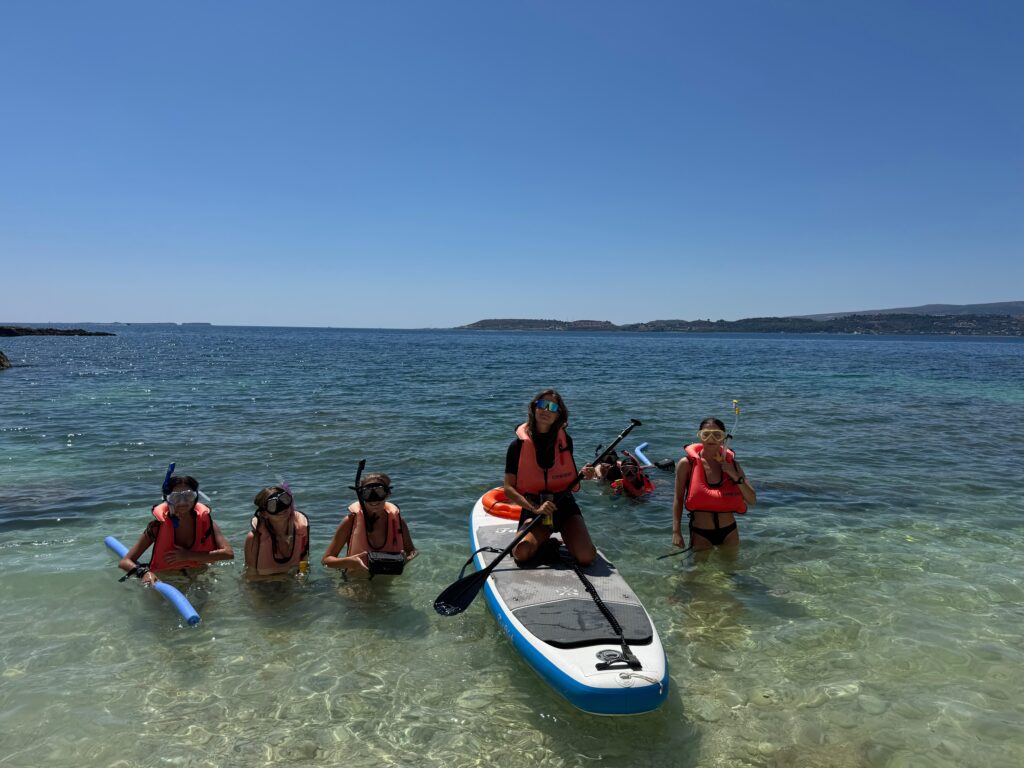
We have continued collecting data on Crocodile Cove beach during snorkel surveys, allowing us to create a sea floor map for this new area. In protecting our sea grass, we hope to support many of the local marine species, some of which our volunteers have recently identified.
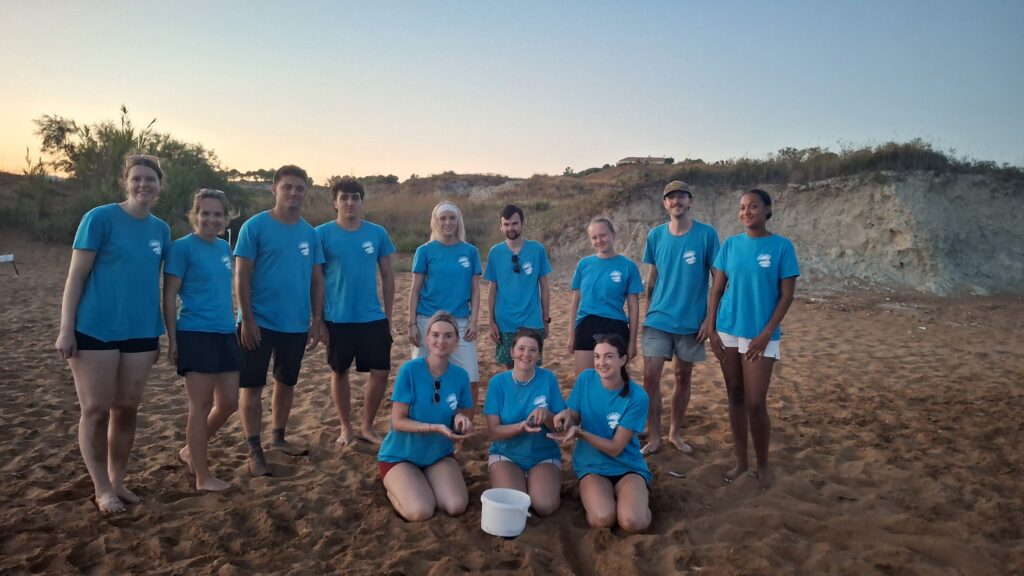
We look forward to the exciting weeks ahead and are striving for a successful hatching season!
Lixouri Field Station
These past two weeks in Lixouri sure have been busy! We’ve welcomed a new group of volunteers this past week, and they have really got stuck in, with nearly everyone attending their first inventory on the night they arrived! Our last drone survey has now been completed, and over the season we have recorded 80 emergences over these beaches alone!
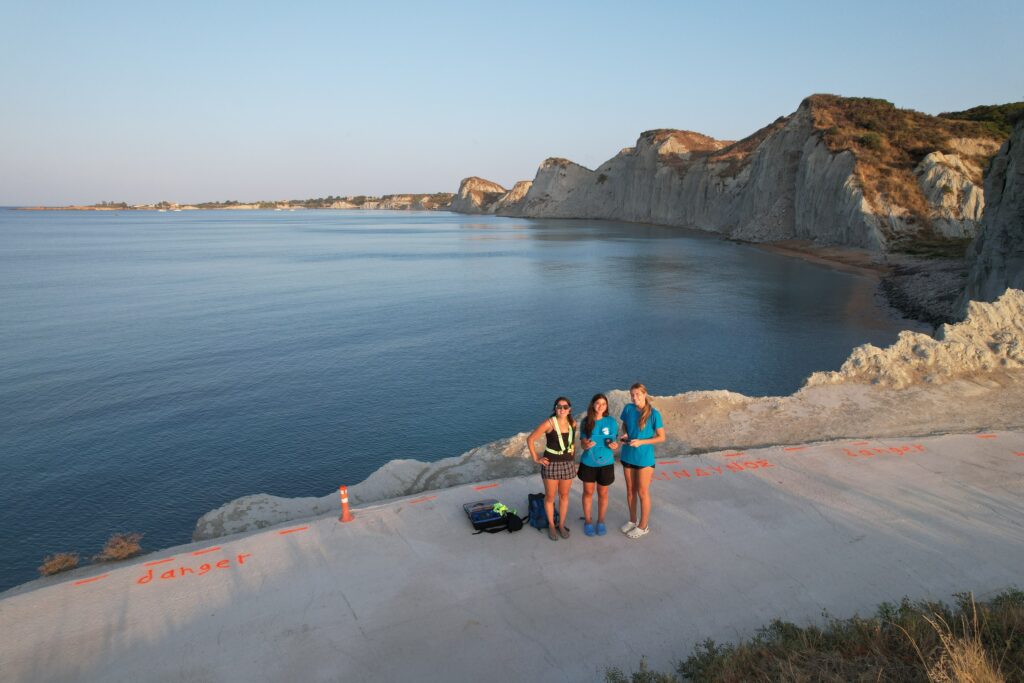
We have had over 90 nests laid this season, across our different beaches! With nests starting to hatch, all of our survey areas have hatchlings, so hatching season is in full swing! So far, we have helped over 900 hatchlings through inventories, where we’ve gone into a nest after it’s started hatching! So far, over 15 of our nests have finished hatching, promising an exciting rest of the season!
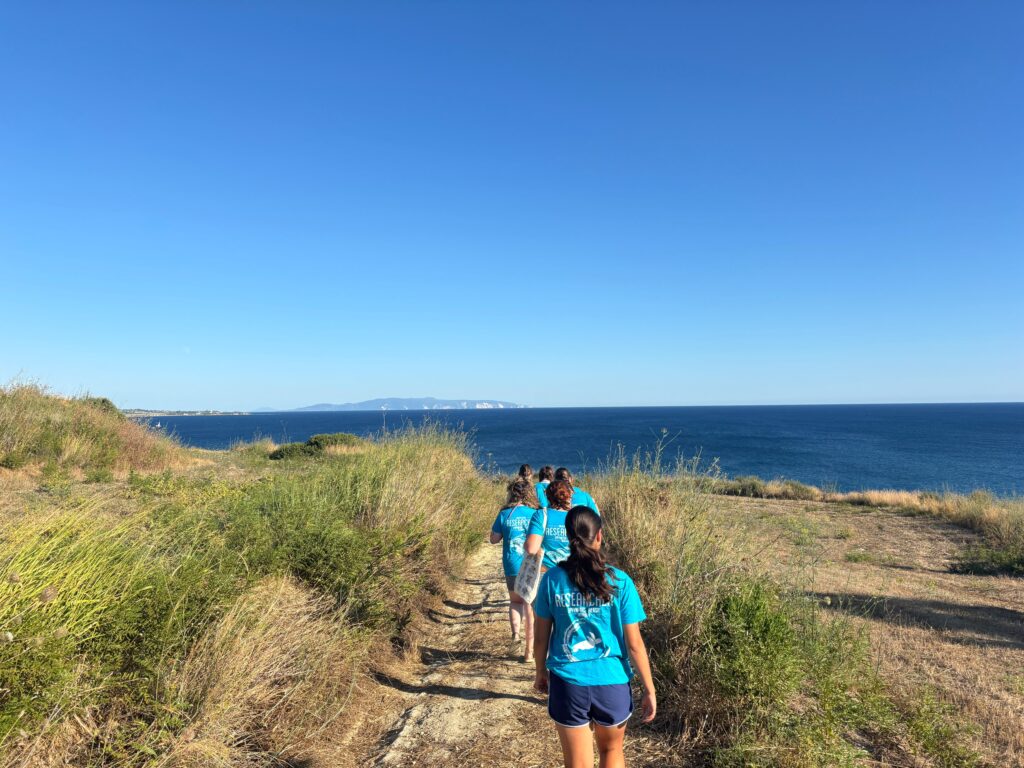
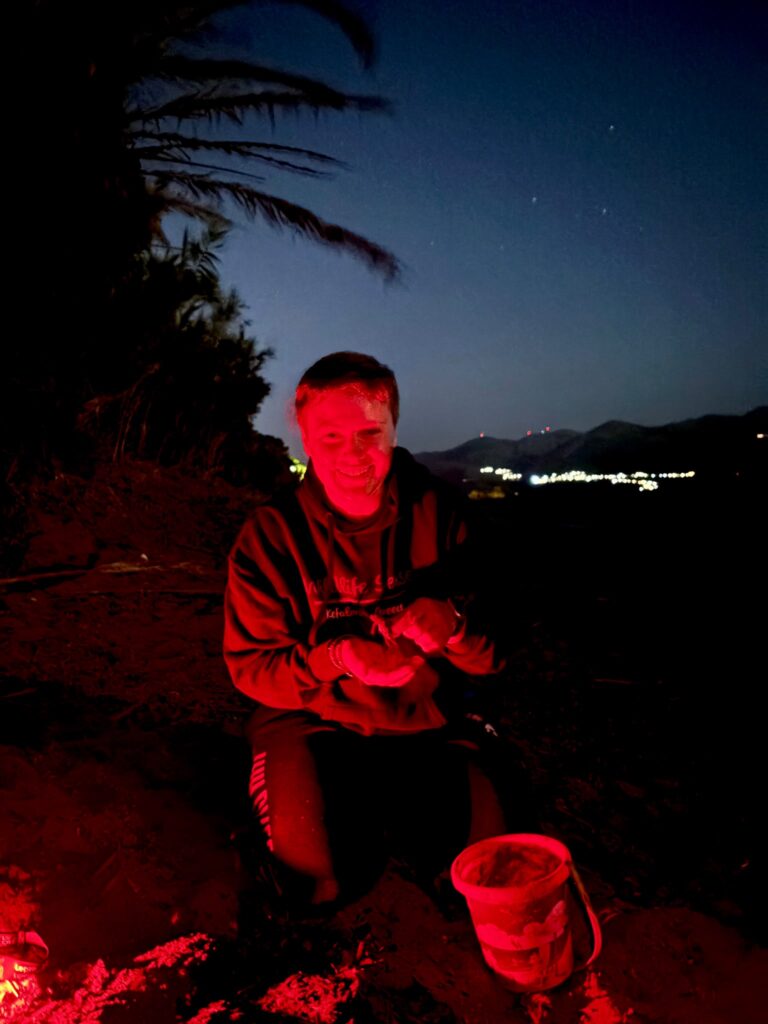
Night Surveys have now come to an end, with our last turtle seen being Mildred, who returned to lay her fourth nest of the season! With hatchling rescue now underway, it’s become a firm favourite! Our hard-working volunteers have now helped hatchlings to sea by releasing them away from sources of light pollution, giving these little guys the best head start!
Argostoli Field Station
Here in Argostoli, the season continues to keep our volunteers busy in every possible way. With the first tiny turtles appearing on the 23rd July, hatchlings have been emerging steadily across our Airport and Avithos survey sites. Emergences are now happening daily, and our teams have been out at first light and overnight to monitor, guide, and protect each hatchling as it makes its way to the sea.
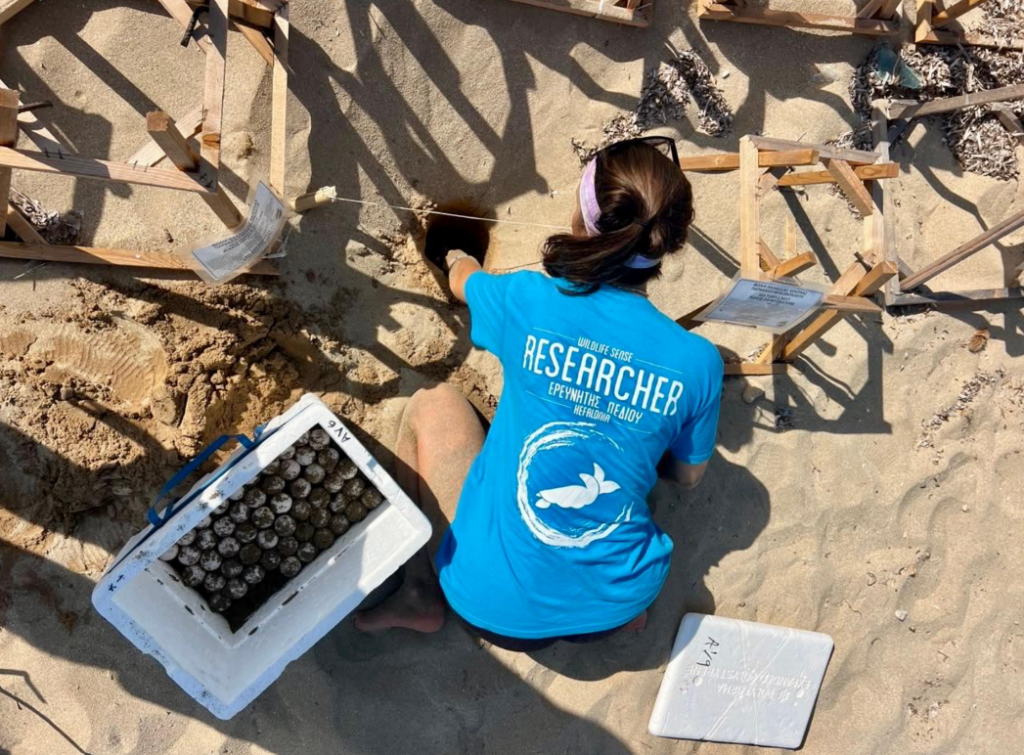
Alongside these hatchlings, nesting females are still arriving across several beaches. Seeing new mothers come ashore while hatchlings from earlier nests begin their journey highlights just how active the season remains, keeping our volunteers working around the clock.
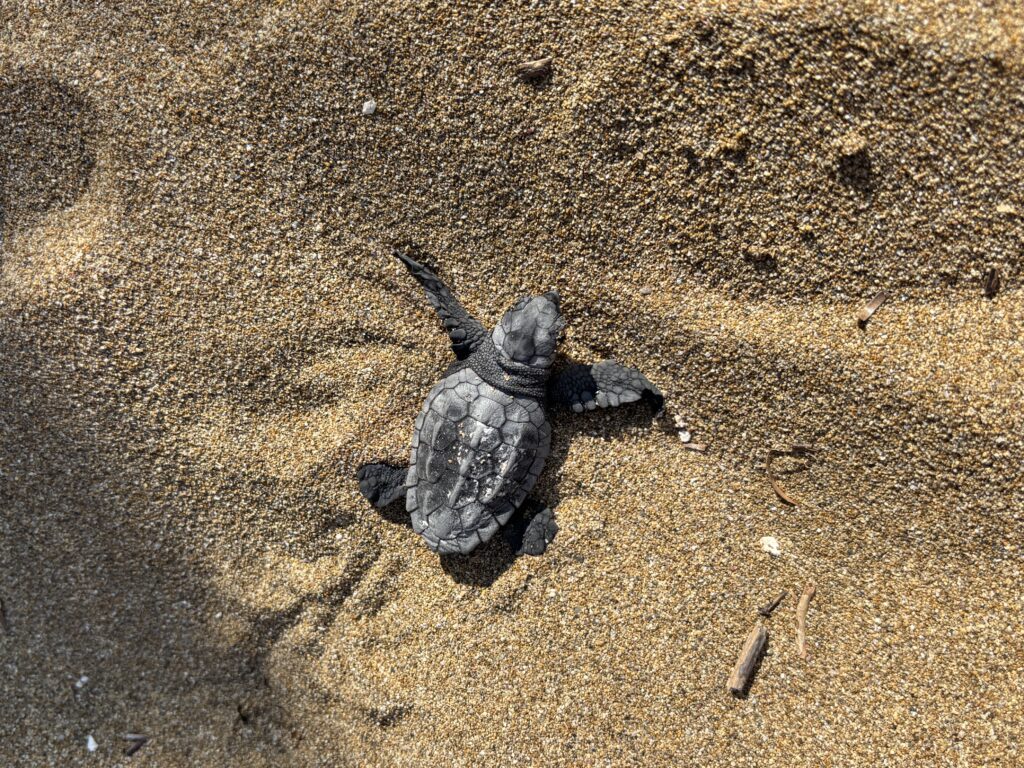
Our nest count has now exceeded 100 nests across our monitored coastline, with ongoing emergences offering hope for more to come. With both nesting and hatching underway, we expect this busy period to continue in the coming weeks.
Alongside this, we have also responded to two rescues: one line entanglement, where the fishing line was safely removed, and one long‑line hook ingestion requiring veterinary intervention. The hook was successfully removed, and the turtle was released the following day, swimming strongly back into open water.
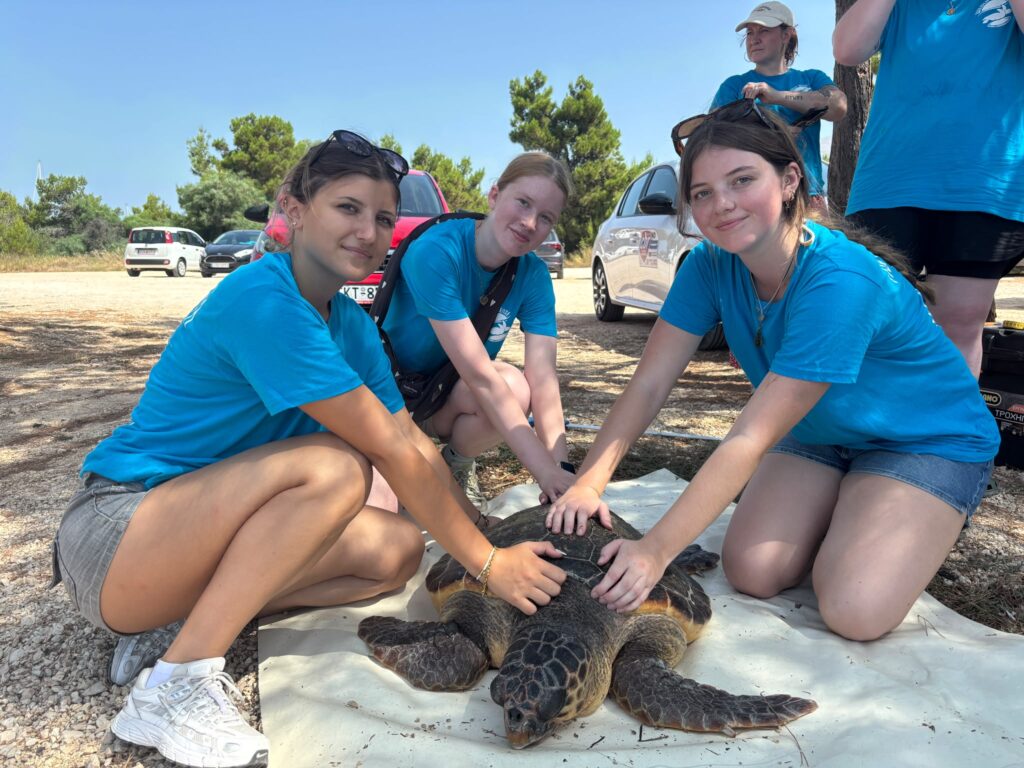
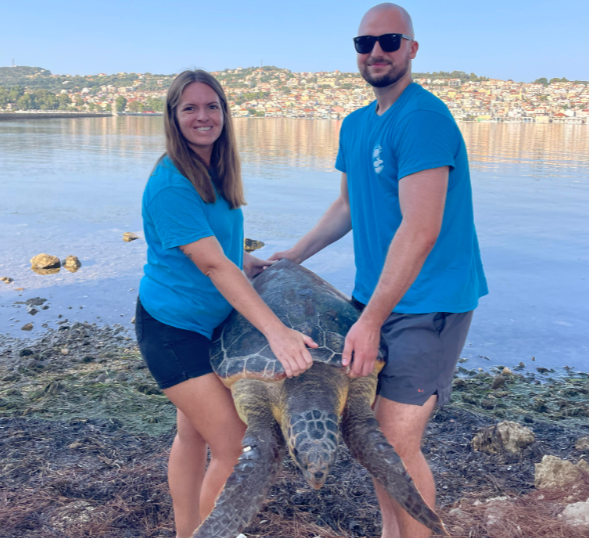
These incidents remind us of the ongoing impact of discarded fishing gear on sea turtles. We are encouraged to see the positive impact of growing public awareness and kindly ask tourists and locals to report any concerns, daytime hatchling emergences, attend inventories where possible, and stay curious about the conservation work happening along our coastline.
Skala Field Station
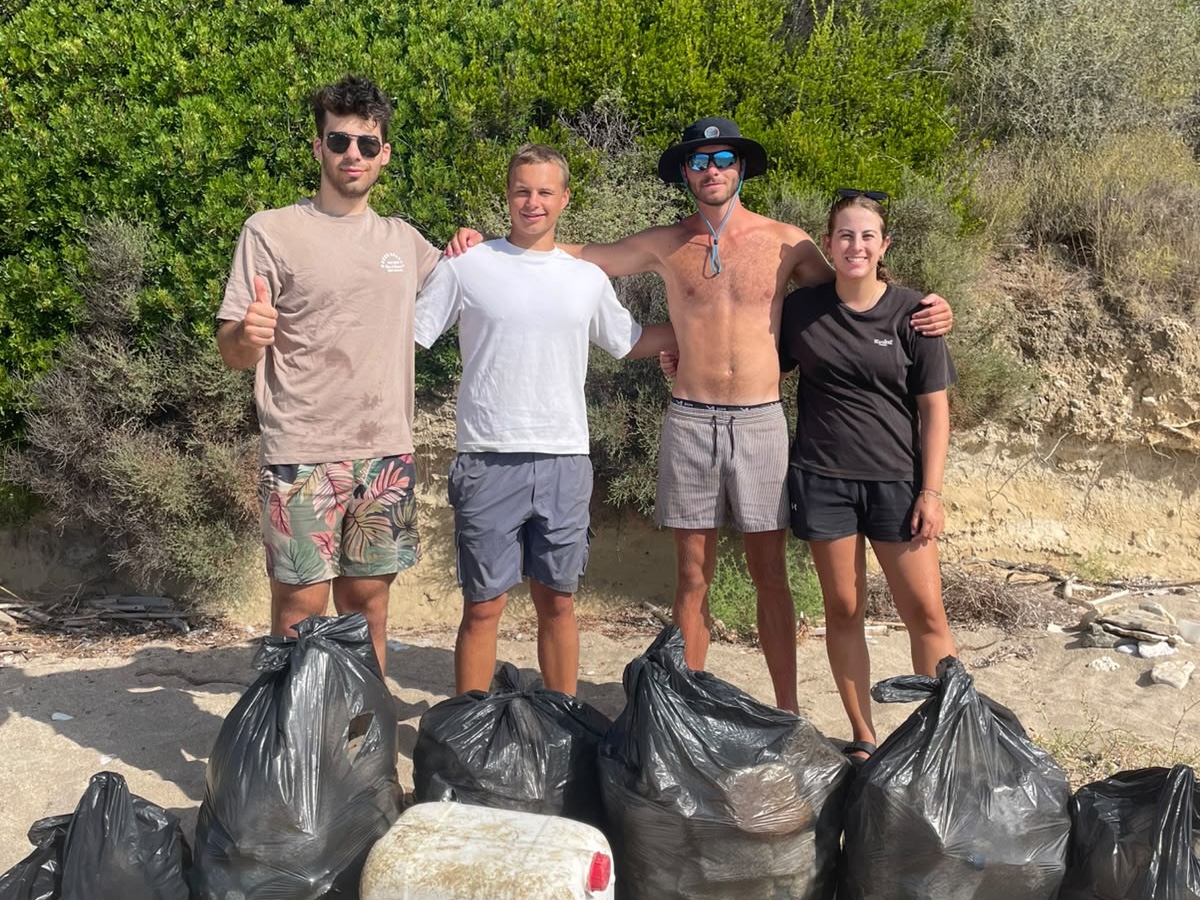
We’ve had an extra enthusiastic group of volunteers this week. Between breaking the record for the number of turtles seen snorkelling this season, to picking up an extra 6 bags of litter during morning survey! This group of volunteers have shown nothing but passion for turtle and coastal conservation alike!
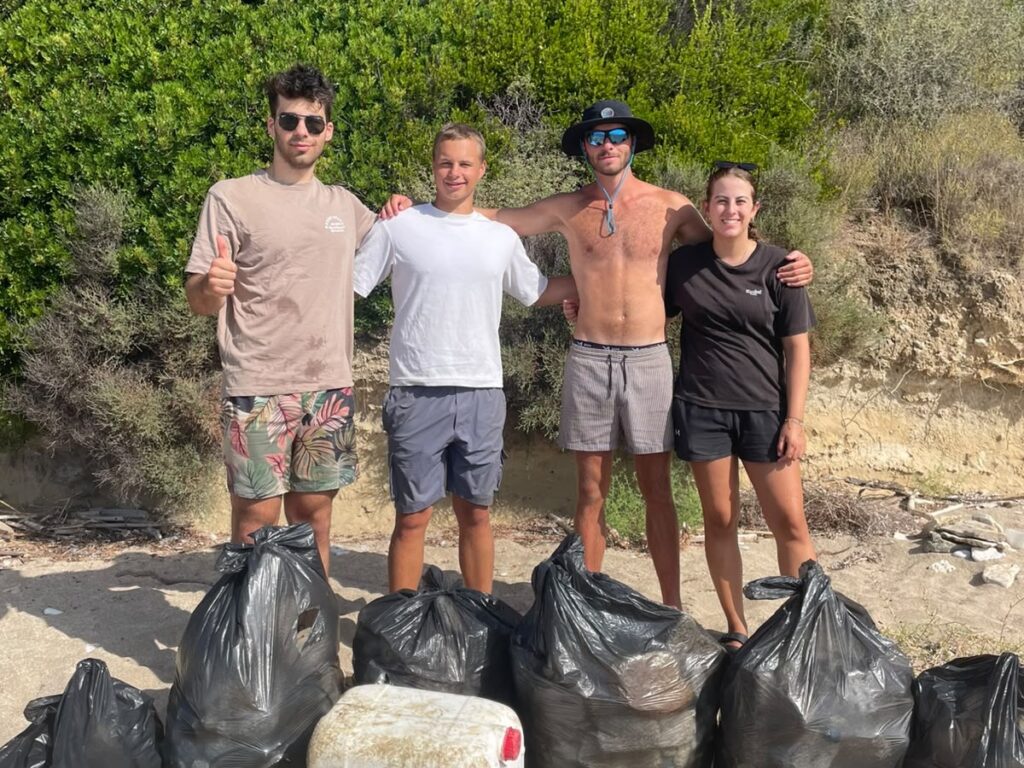
Our volunteers enjoyed several extra beach cleans throughout their time here. They picked up extra rubbish after several evening shifts as well as after finding a nest during morning survey. This care for the environment has been really enjoyable to see.
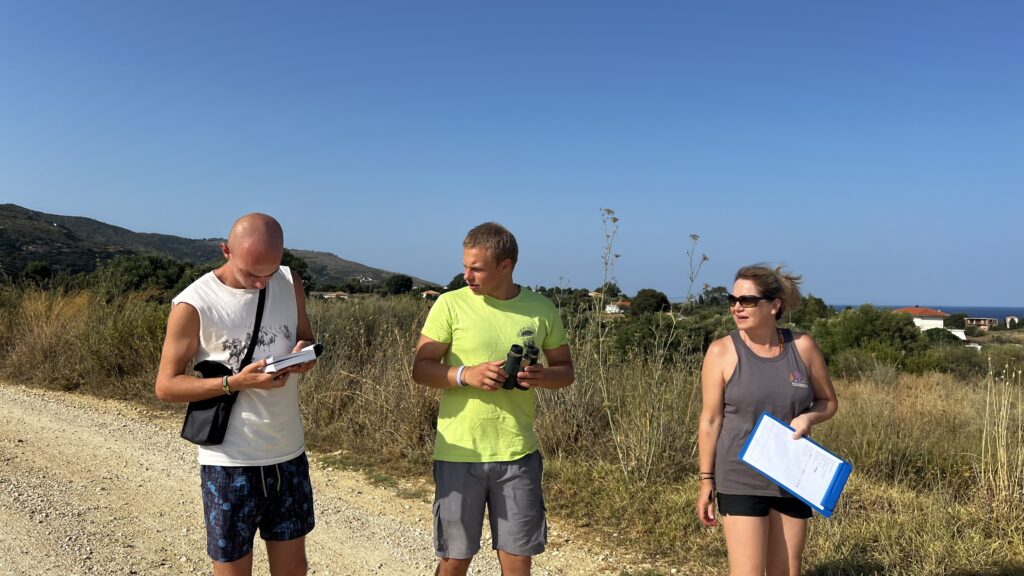
This week, a group of our volunteers showed keen interest in our bird bingo- even requesting an optional bird survey. This was a huge success with 10 different bird species seen, including a Hoopoe!
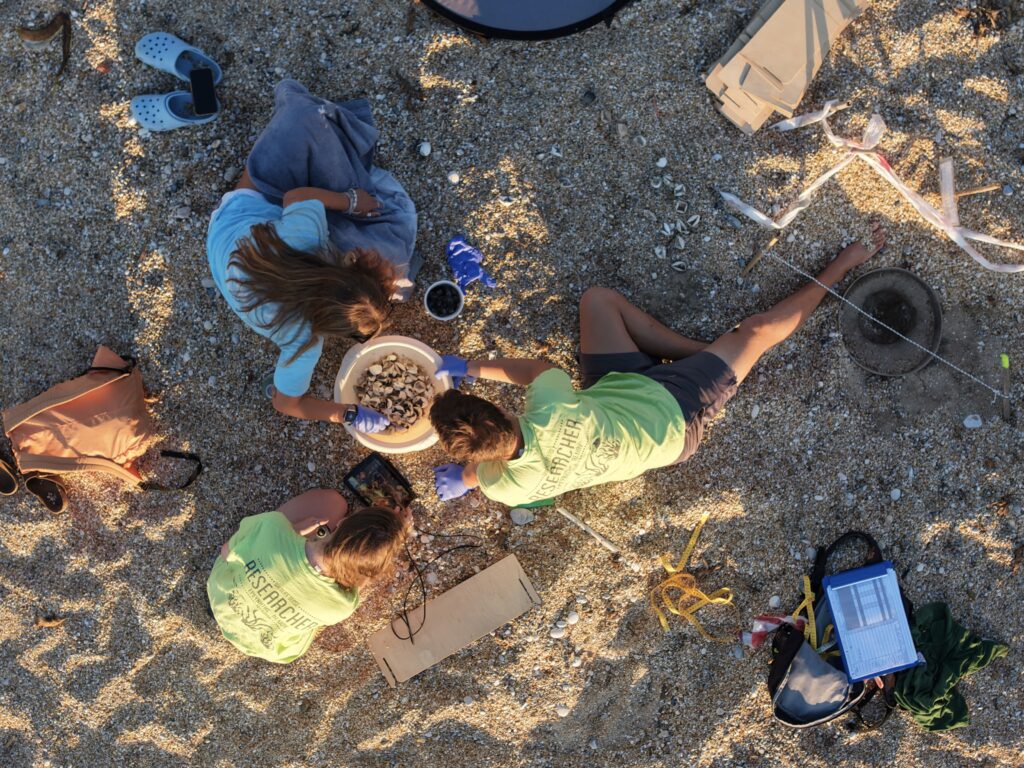
Hatchling season has officially kicked off in Skala with three inventories already occurring. The volunteers have helped us release these hatchlings and have enjoyed learning about the various stages of the eggs. We can’t wait to see what the rest of hatchling season has in store!
Svoronata Field Station
We’ve had a busy and productive past two weeks at Svoronata Field Station. During the turtle nesting habitat exploration shifts, the volunteers have been working hard discovering more sea turtle nests on our remote beaches, including one that had hatched! They have been ensuring that these nests remain safe and monitoring for signs of disturbance for example predation.
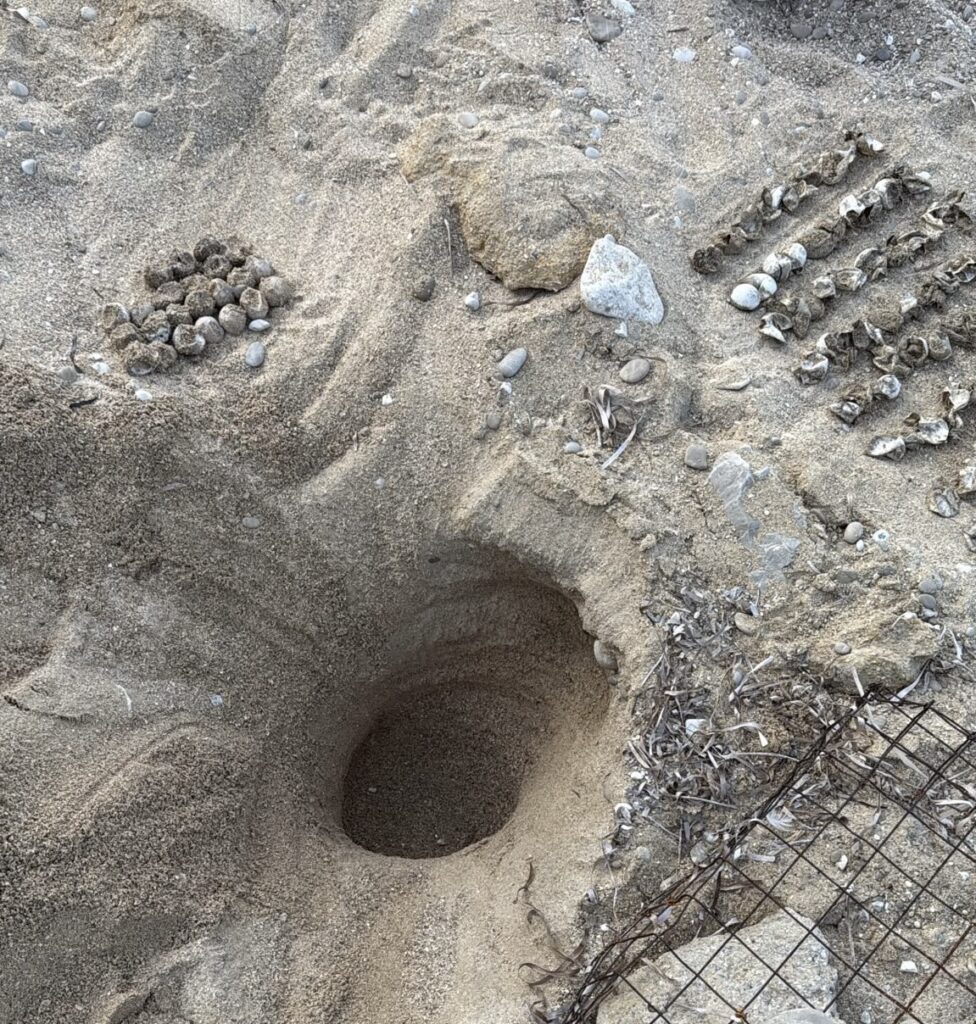
The volunteers then all got involved in the exciting turtle workshop, making comparisons between the remote beaches that they had been to during these shifts, with the urban beaches that we survey.
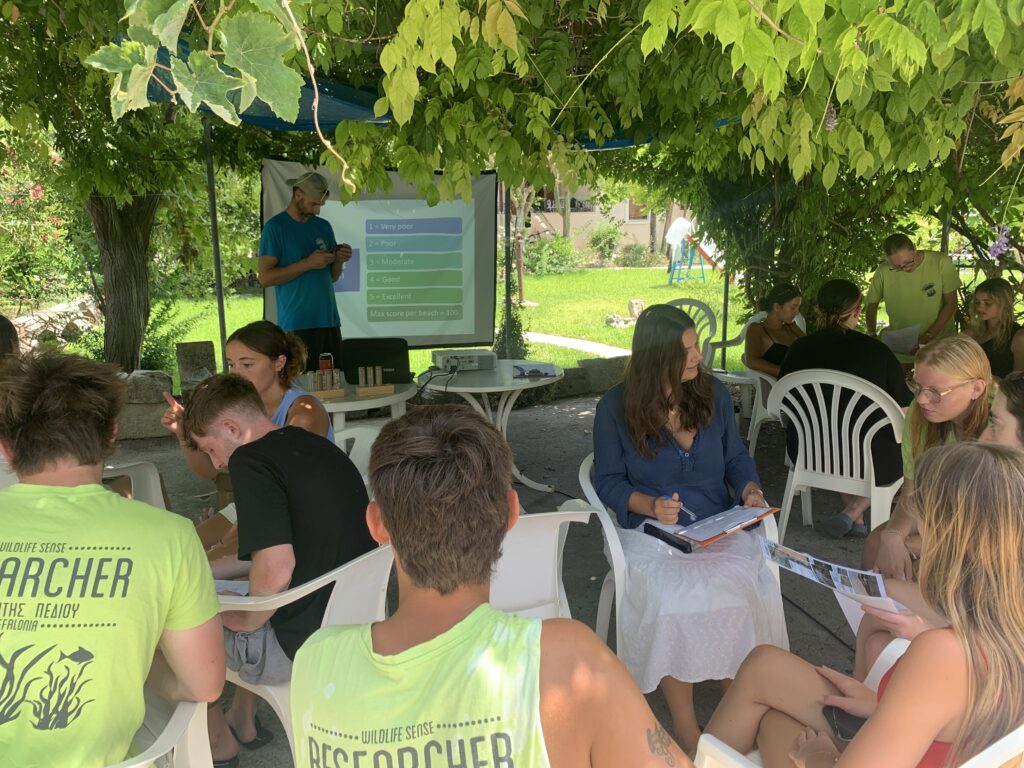
More light pollution surveys have been carried out across several beaches, including Lourdas beaches being covered by Svoronata Field Station for the first time!
The light pollution surveys involve measuring the intensity of artificial light on nesting beaches. Excessive artificial light can disturb sea turtles when they emerge from the sea to lay their eggs, therefore negatively affecting their nesting behaviour. By recording light levels at different locations, we identify areas where light pollution may pose a risk and contribute to efforts to try and mitigate these issues. The volunteers were also really lucky to see a sea turtle nesting during a survey!
Recently arriving volunteers carried out their practice snorkel and swim with great enthusiasm. Everyone has worked really well as a team, with previous volunteers supporting new volunteers and working together to help identify seagrass, sting rays and many fish species, for example wrasse species, seen on their first few exciting snorkel survey shifts!