Our Latest News- August 17, 2026
Lixouri Field Station
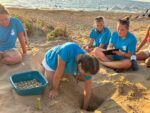
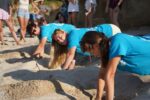
Here in Lixouri, the season is continuing to keep our volunteers busy! We have been very lucky, with multiple inventories taking place every day, during which we have gone into nests as soon as they started hatching.
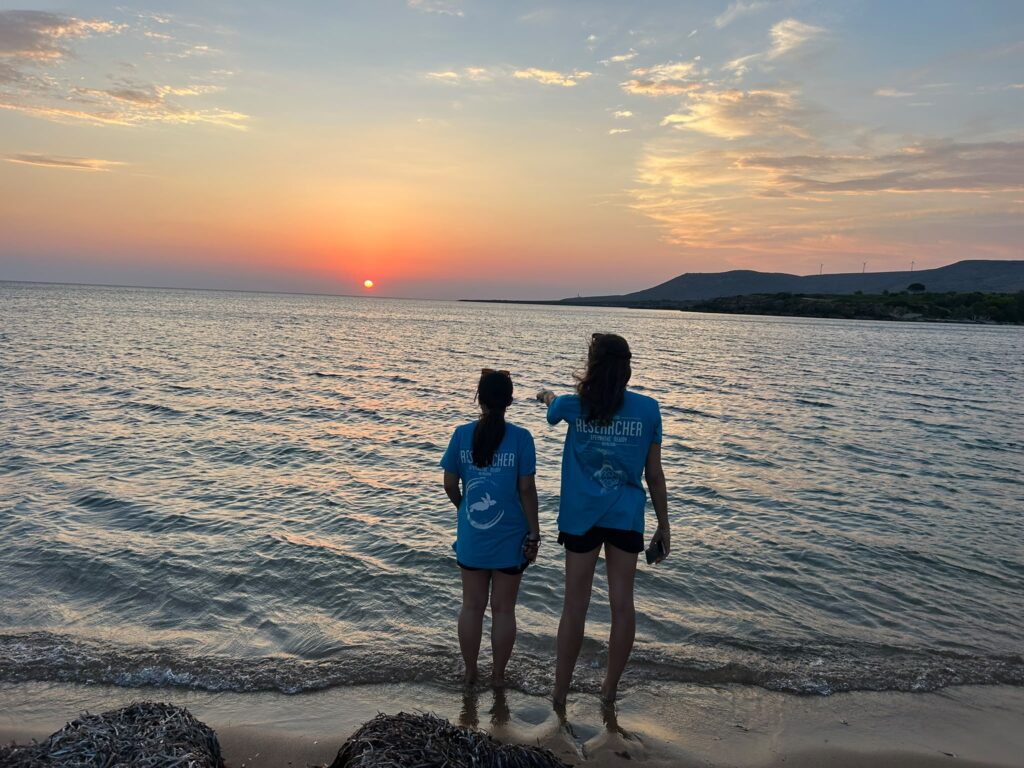
Many of the volunteers are seeing hatchlings on their very first night! As hatchling season is now in full swing and nearly 40 of our nests are finished, we have been successful in helping over 1,200 hatchlings find their way into the sea. We are very excited for what the rest of the season will bring!
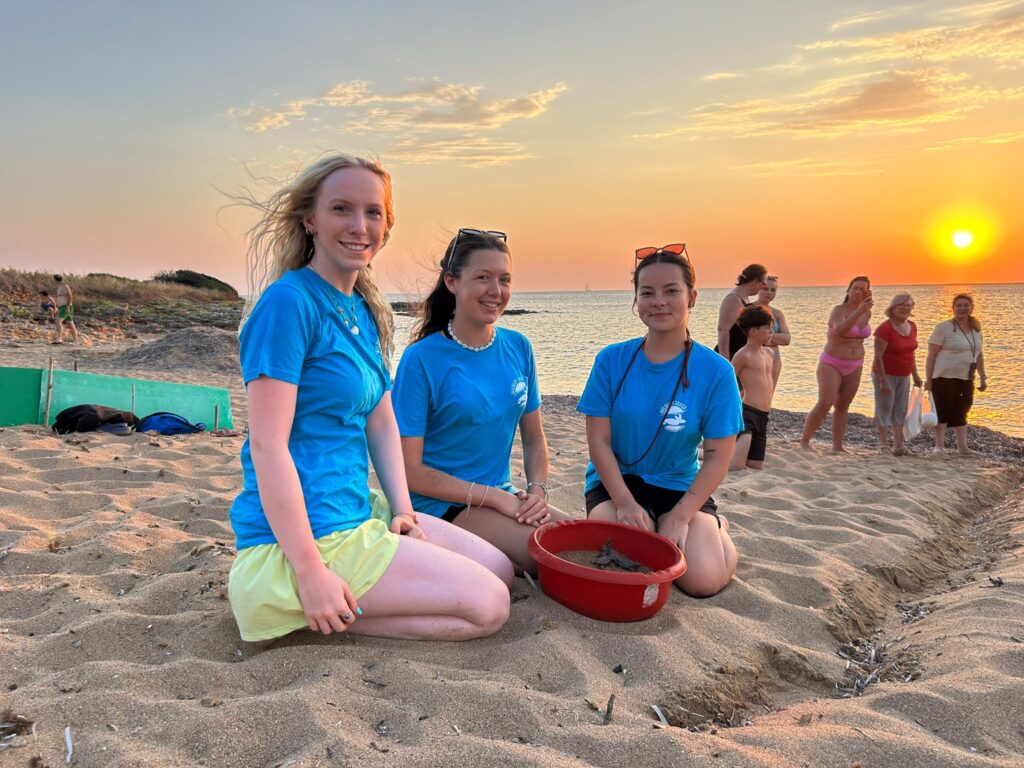
As the season progresses, nesting female emergences are slowly starting to come to an end, with our last nest being found on the 11th of August, nearly a week ago! However, we still have hope that a few more may appear, with our volunteers going out each morning to see if they can spot any adult tracks.
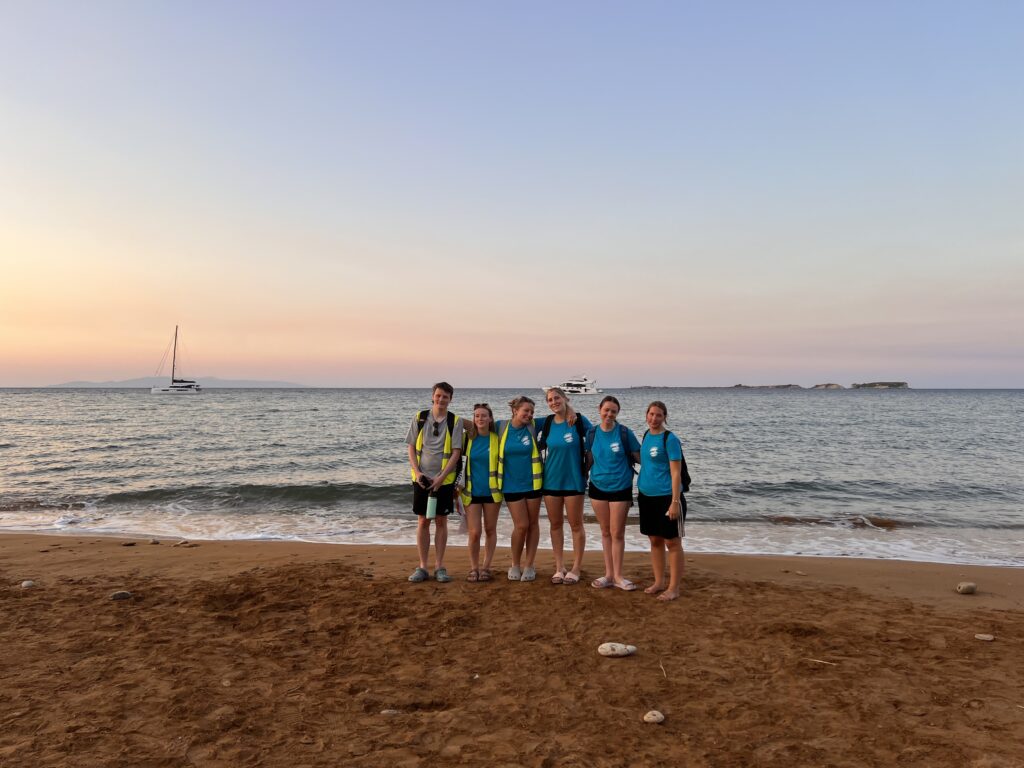
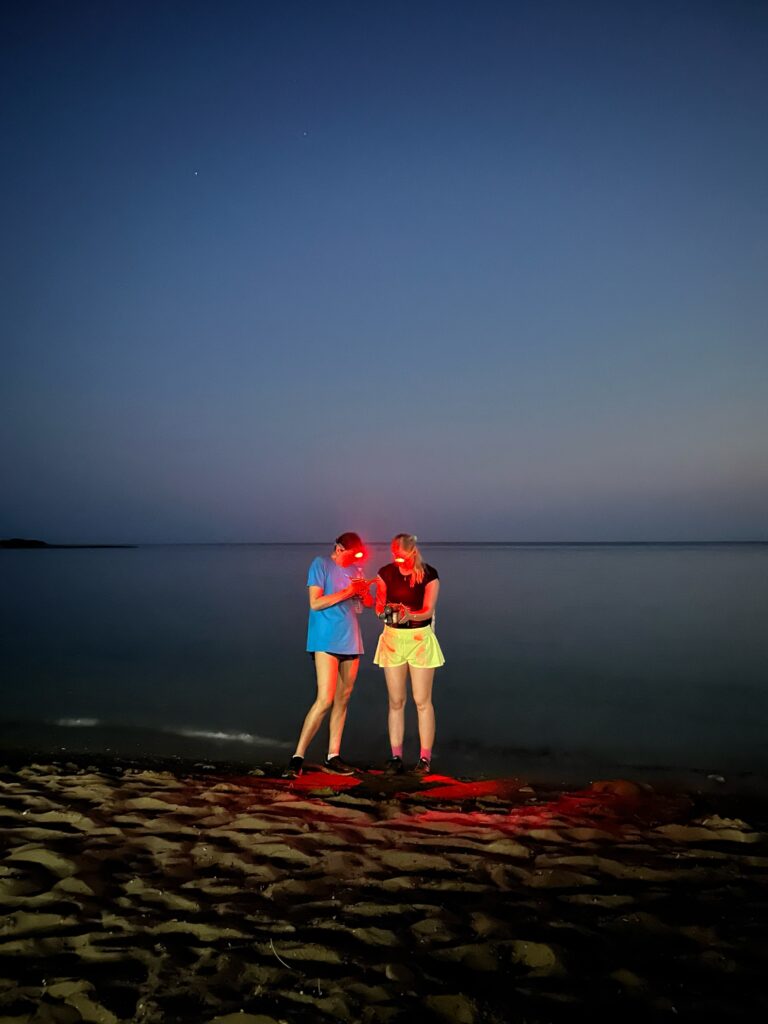
As new nest numbers have started to slow down, we have introduced our light pollution shifts, which help us to record and manage any unwanted light on nesting beaches that can lead to confusing adult females and hatchlings, thus ensuring a safer environment for them.
Argostoli Field Station
Across Argostoli’s nesting beaches, the past two weeks have been shaped by careful monitoring and a series of memorable inventories! As we gradually move into our hatching season, our volunteers have been busy from sunrise to sunset, ensuring every nest receives the attention it needs.
One of the highlights of the past two weeks was an exciting nest inventory that revealed 100% hatching success! 84 out of 84 eggs successfully hatched! This nest had been relocated earlier in the season due to its vulnerable position, making the outcome even more meaningful. Seeing every hatchling emerge safely was a proud moment for the entire team and a testament to the care taken during volunteer monitoring and the relocation process.
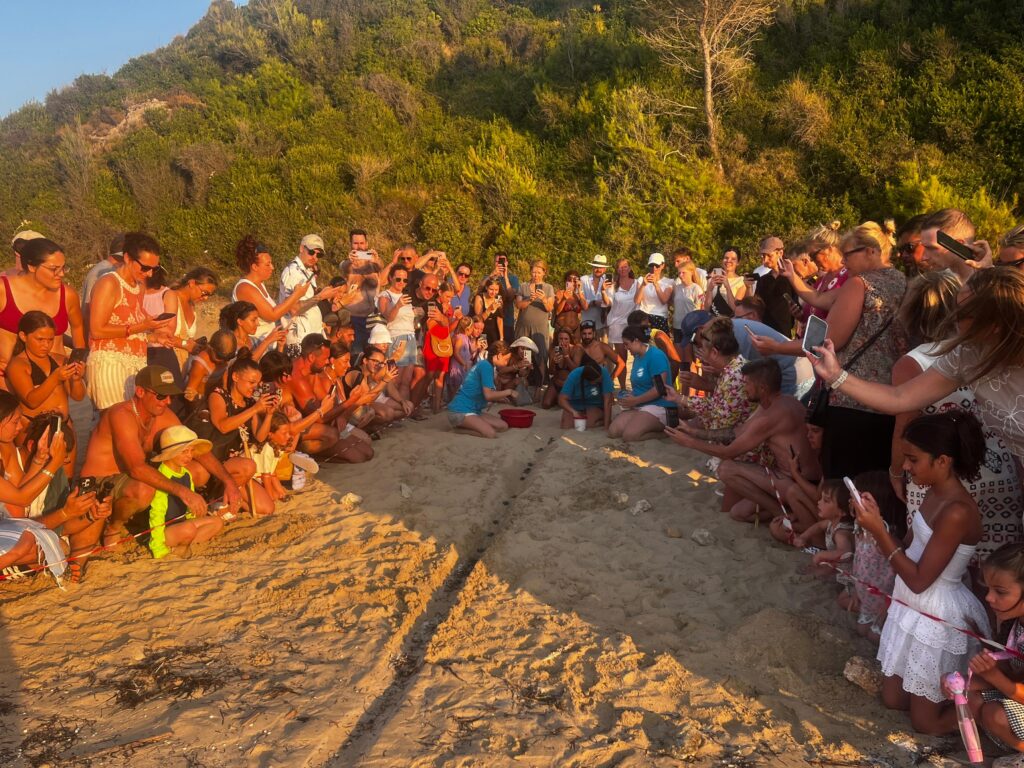
We have also responded to a turtle rescue in recent days involving a severe front‑flipper entanglement. The male turtle was found with fishing line wrapped tightly around his front‑left flipper, cutting off circulation and causing the loss of most of the limb. After initial assessment, the turtle, now named Coriander, was transported to Athens for specialist care at the Archelon Rescue Centre. Veterinarians have recommended surgical removal of the remaining damaged tissue to prevent infection and support a safer, faster recovery, giving him the best possible chance of a strong release back into the wild.
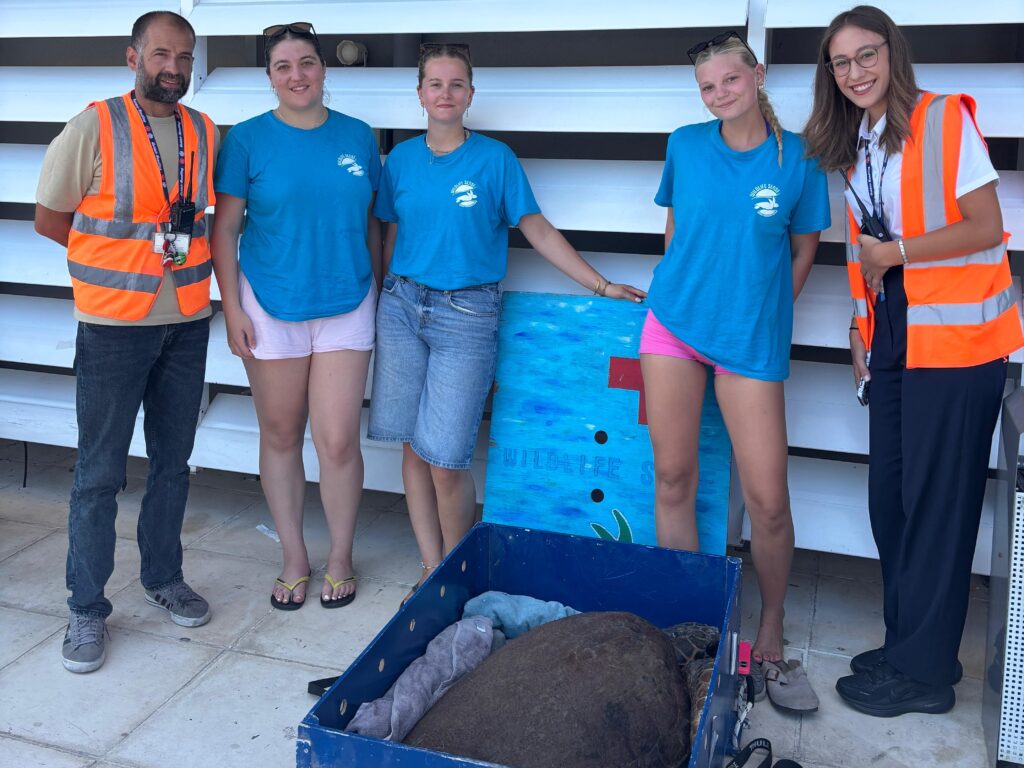
We would like to extend a heartfelt thank you to the Archelon Rescue Centre for providing continued specialist care, and to Gold Air Handling for their communication, transportation, and dedicated support throughout this rescue effort.
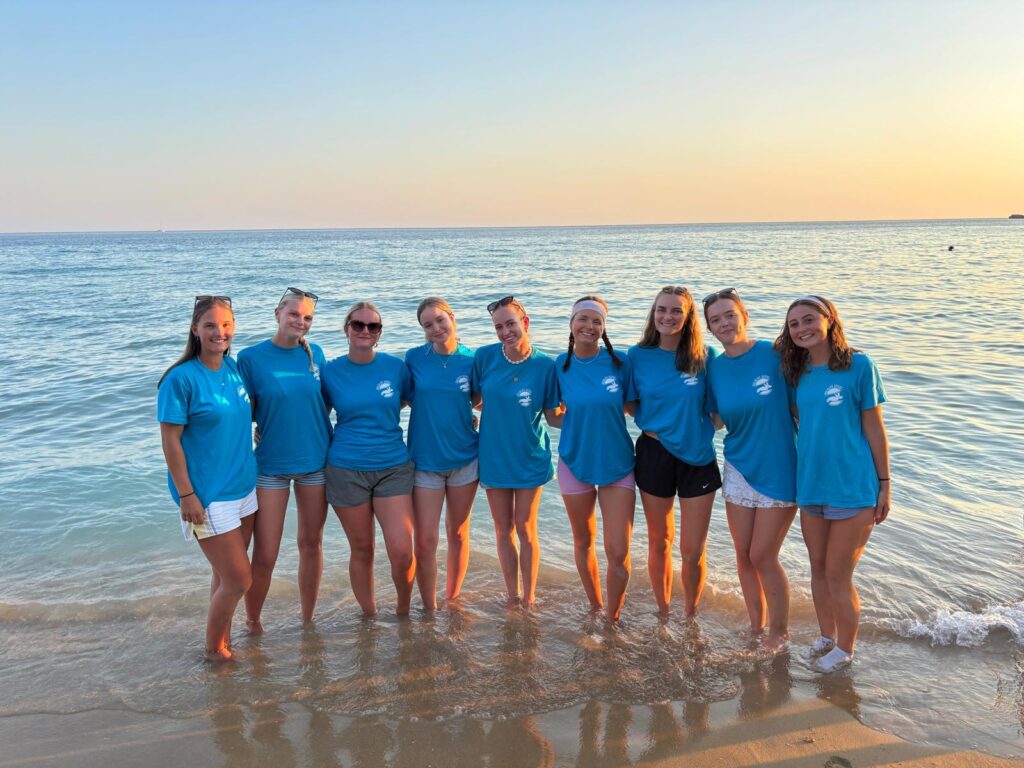
The final exciting news relates to our nesting females! Emergences are continuing across our nesting beaches, suggesting that the final nests of the season may soon be on the horizon. As always, our volunteers remain vigilant, guiding hatchlings, recording activity, and preparing for the upcoming wave of inventories.
Skala Field Station
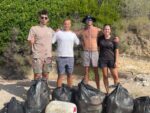
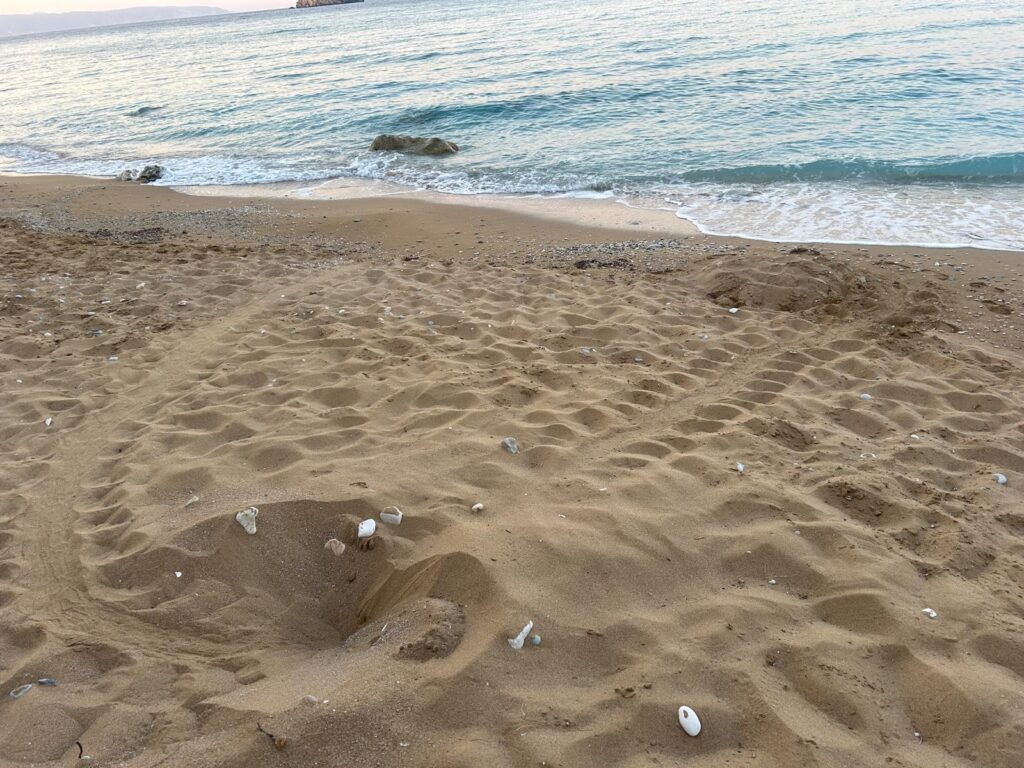
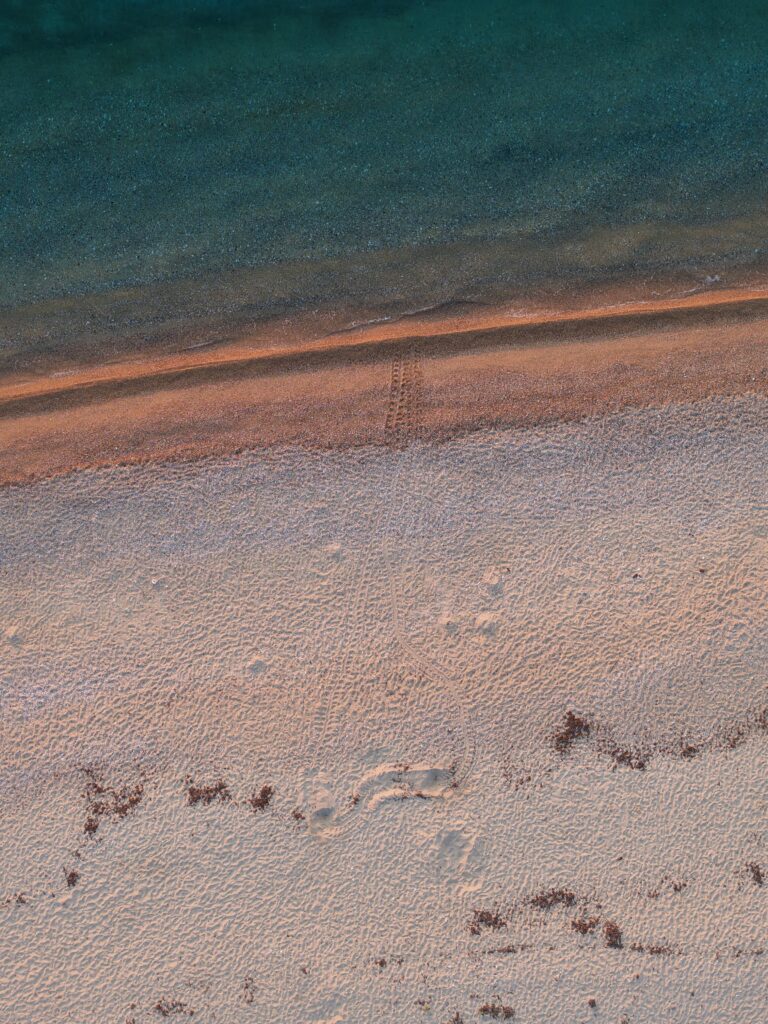
Skala team recorded its final nest attempt last week, marking the end of the nesting season and the transition into both the hatchling season and a new group of Skala staff. With the hatchling season in full swing, our volunteers have assisted with 3 inventories over the past few weeks!
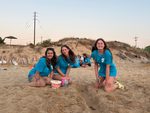
We’ve been incredibly lucky to work with such a fantastic group of volunteers over the past few weeks. Their enthusiasm and positivity have shone through in every shift. Even when a nearby wildfire created some uncertainty, everyone remained upbeat, supported one another, and continued their work with an impressive team spirit.
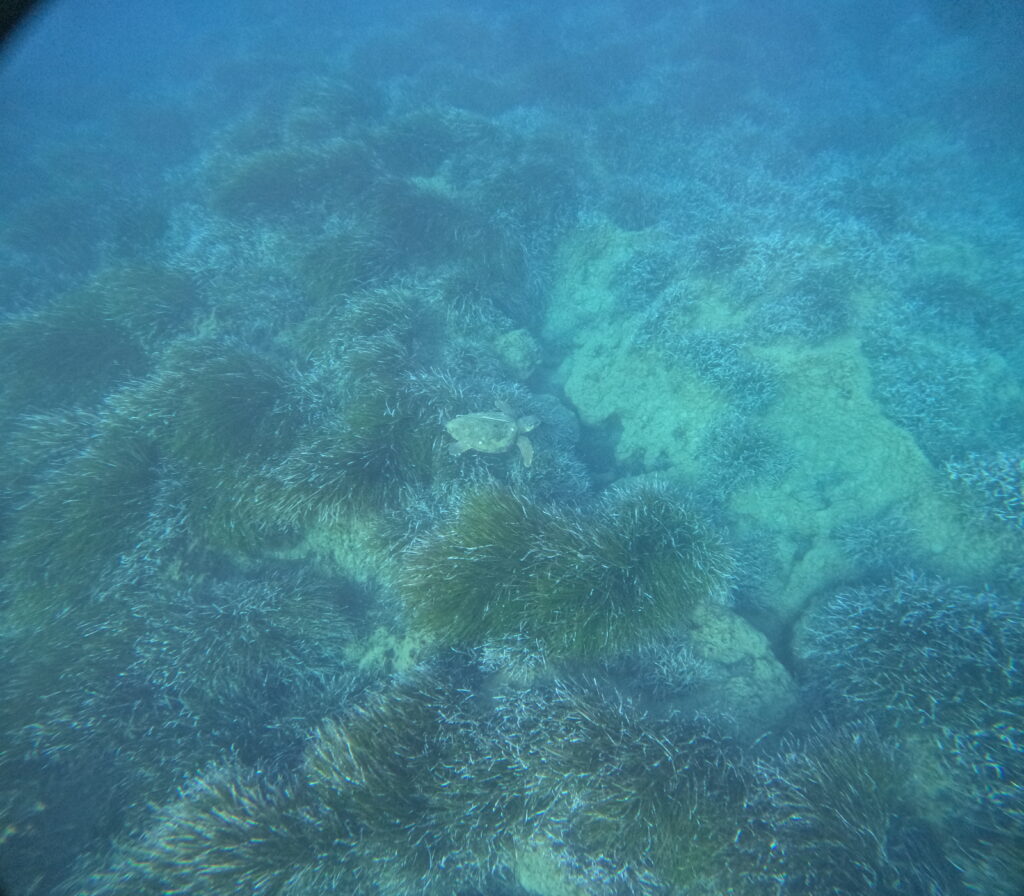
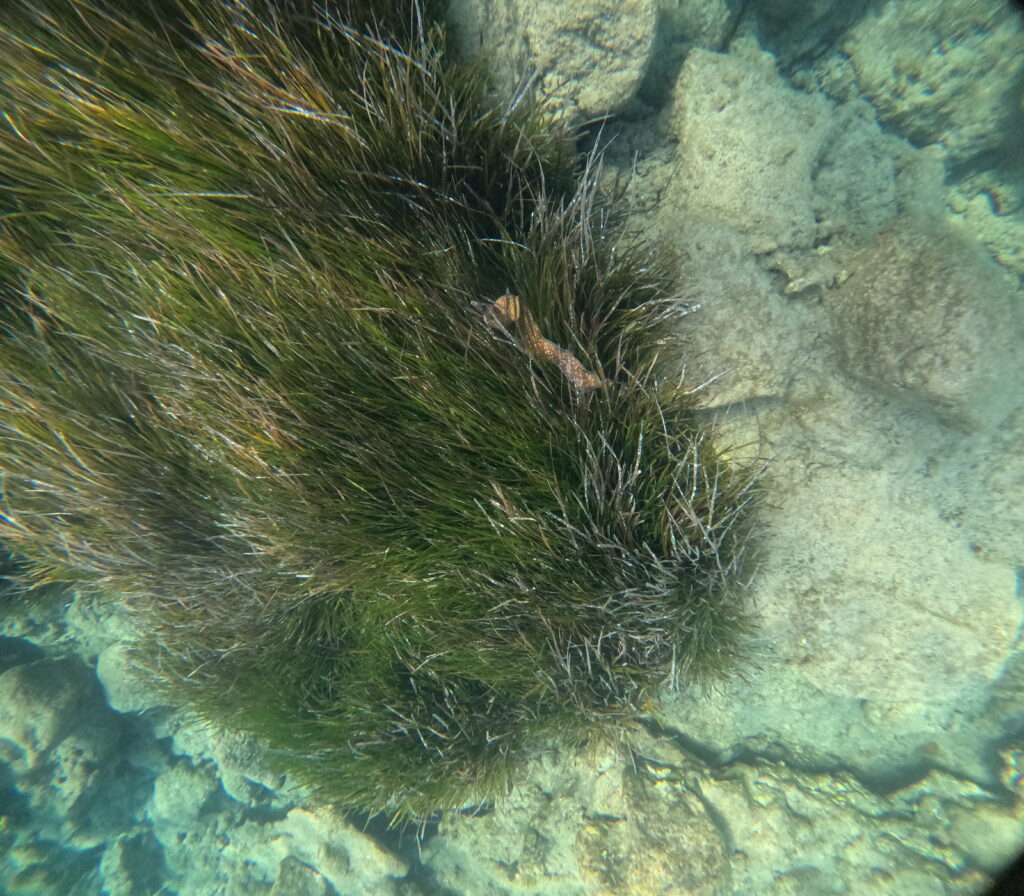
Both during shifts and in their free time, volunteers have been treated to sightings of loggerhead turtles, eels, rays, and even jellyfish while exploring the coastline. While off shift, volunteers and staff have been making the most of their time together, and an evening of Just Dance and karaoke was a big hit!
Svoronata Field Station
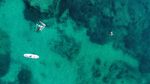
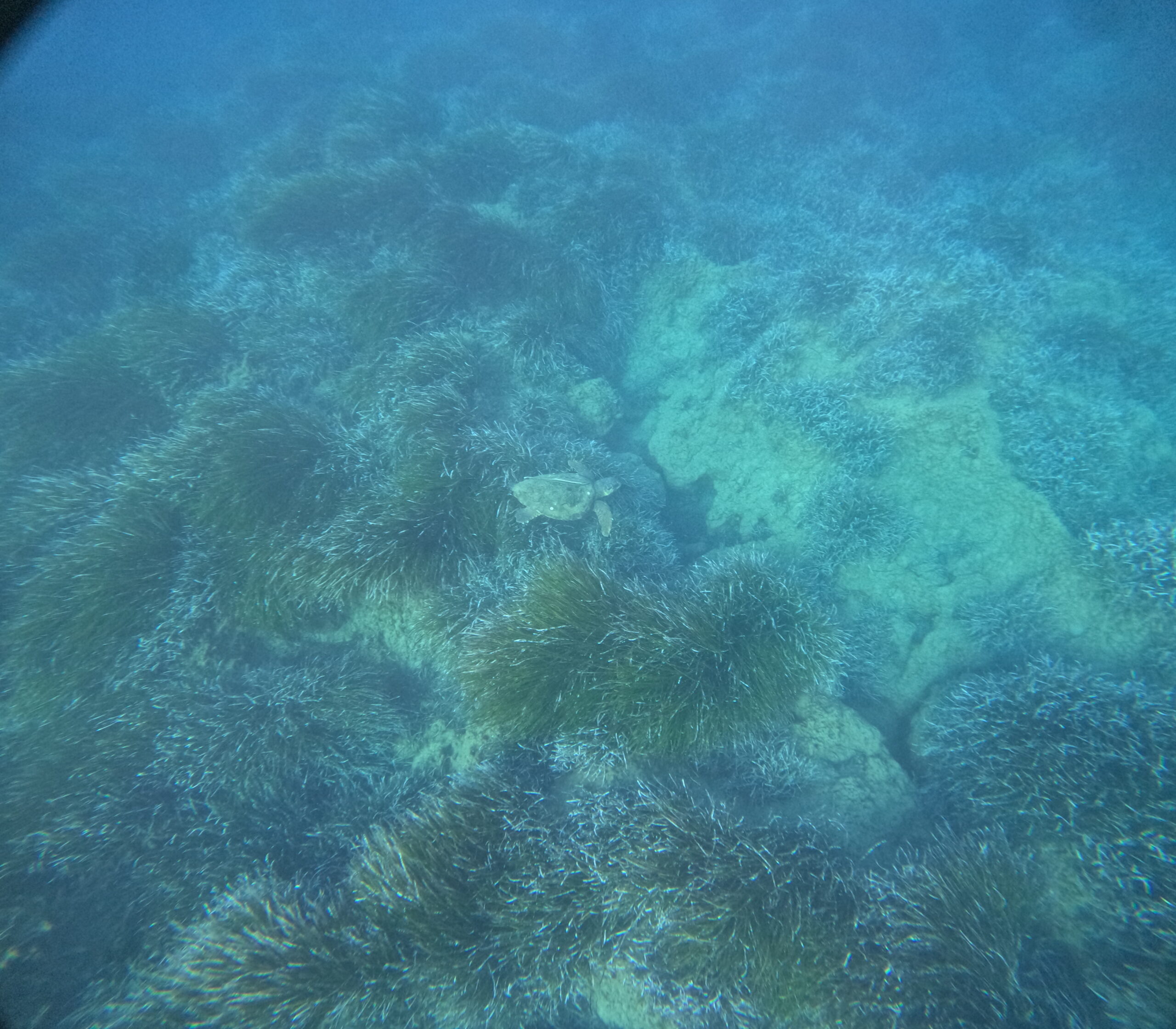
We have had a lovely last two weeks at Svoronata Field Station. Over the past 14 days, with the help of our volunteers, we have mapped 7.28 km of seafloor across four different beaches. From these surveys, we found that 50% of the seafloor surveyed had seagrass present, with two-thirds of this made up of Posidonia, the most beneficial type of seagrass!
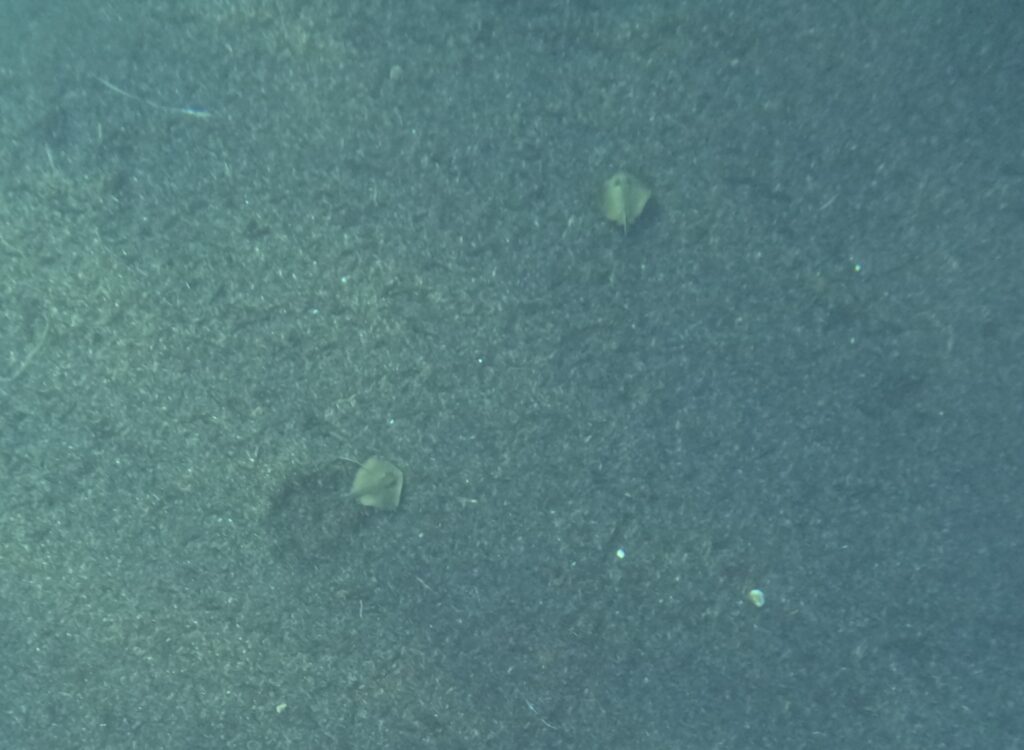
Alongside their hard work surveying the seafloor, our volunteers were rewarded with a number of wildlife sightings during their surveys, including many stingrays and a catfish!
Alongside their hard work surveying the seafloor, our volunteers were rewarded with a number of wildlife sightings during their surveys, including many stingrays and a catfish!
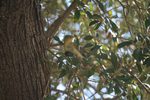
We have also had some very exciting birds passing through during our bird surveys. During a recent early-morning survey in Levadi, a kingfisher was spotted — and, even more impressively, photographed! We have also observed a spotted flycatcher, a black-bellied plover, and several European bee-eaters, the latter of which was our Bird of the Week. Across the last two weeks, we have observed 45 different species during our surveys!
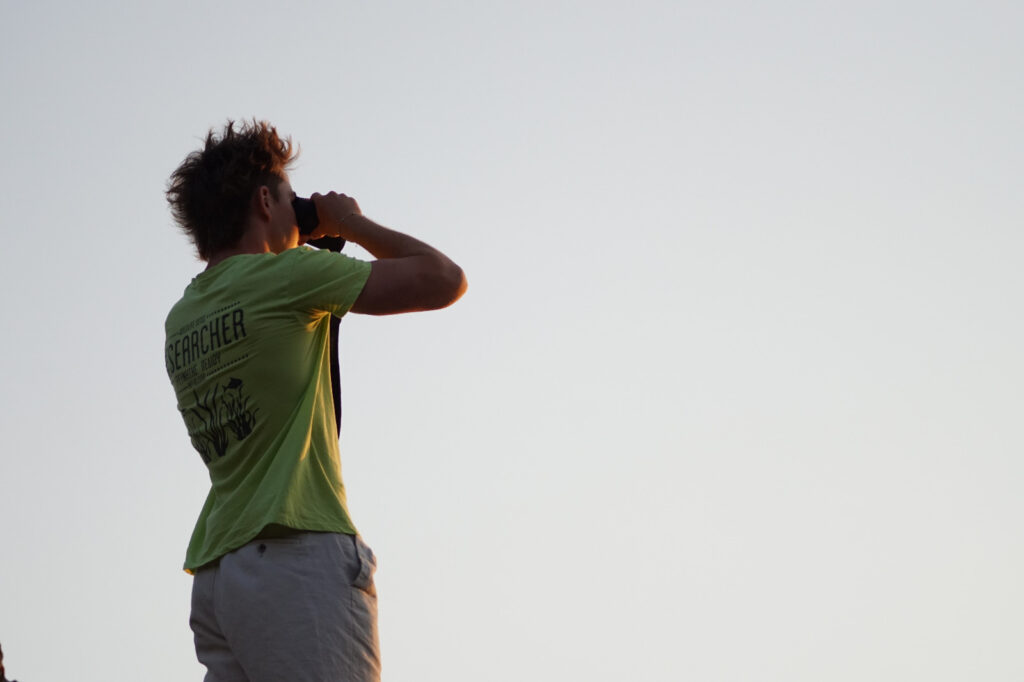
Our volunteers have also supported us on our journeys to more remote beaches to undertake morning surveys and inventories. During their time here over the last two weeks, we have recorded six new emergences, resulting in one new nest.
Education Program and Lourdas Field Station
Hatching season is now in full swing in our Lourdas survey area! 7 nests have been completed, with a further 7 currently hatching. We have had some very successful inventories, including one nest with 83/84 eggs hatched. The team also had an FBH (found by hatching) nest on Lourdas beach, which was reported by a lifeguard. We were able to safely relocate and protect this nest at our hatchery on Kanali.
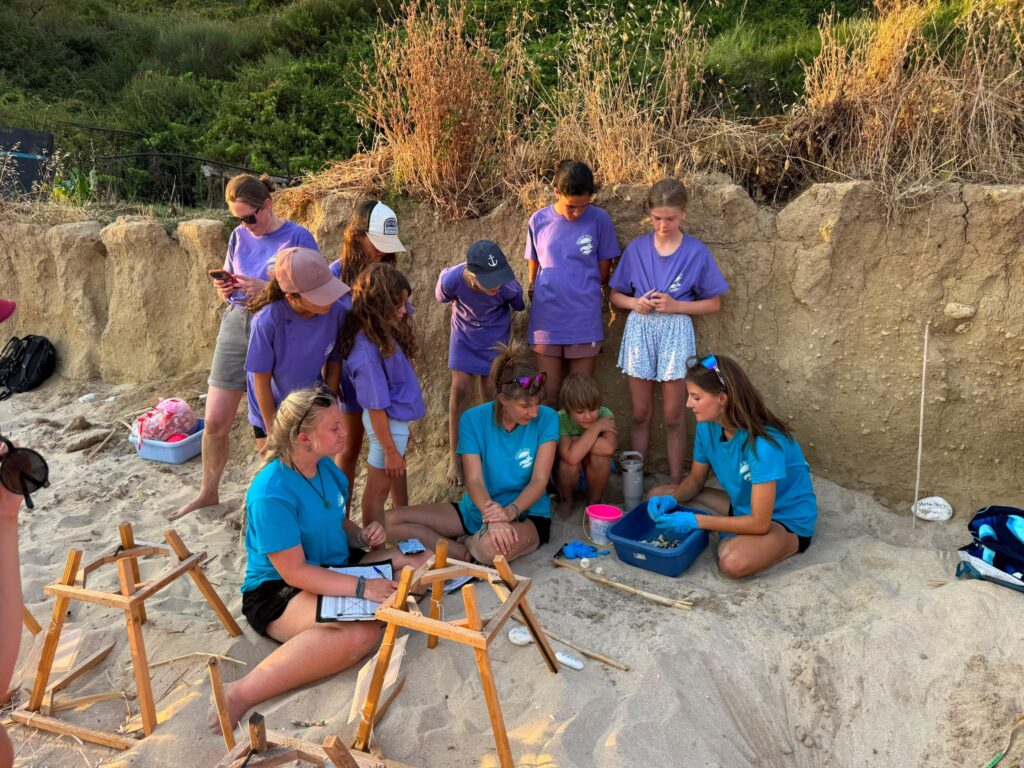
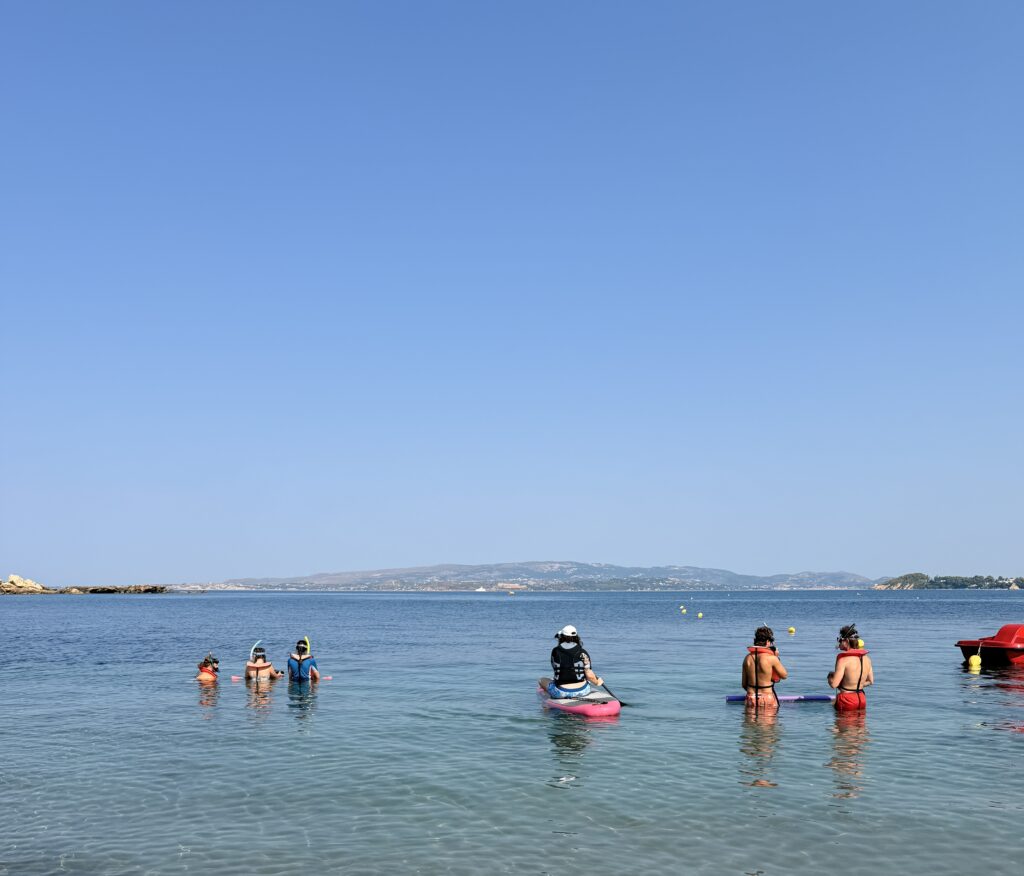
Our volunteer groups are enjoying their snorkel surveys in both the Fanari area and Crocodile Cove. Their hard work allows us to map the sea floor, helping us see how our sea grass coverage is changing over time. On these surveys, some groups have been lucky enough to observe and photograph nearby turtles, and identify other wildlife species.
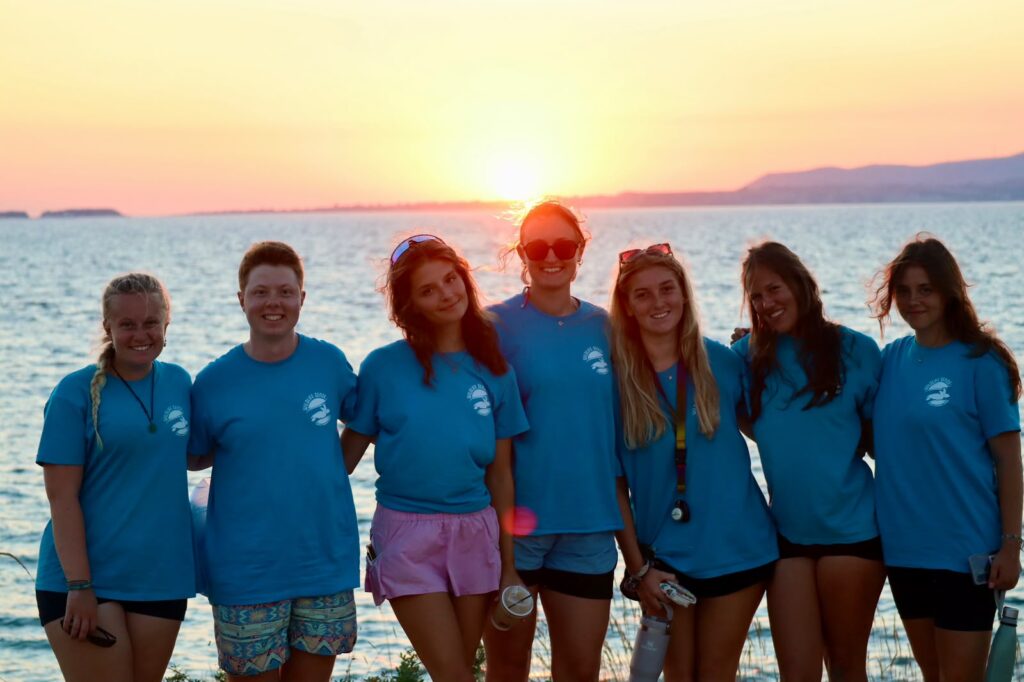
Our family groups have been taking part in Night time Nest Monitoring shifts, and have had the chance to help hatchlings to sea throughout the night. These shifts allow us to observe and monitor activity on beaches where light pollution poses the risk of disturbing and disorientating hatchlings on their journey to sea.
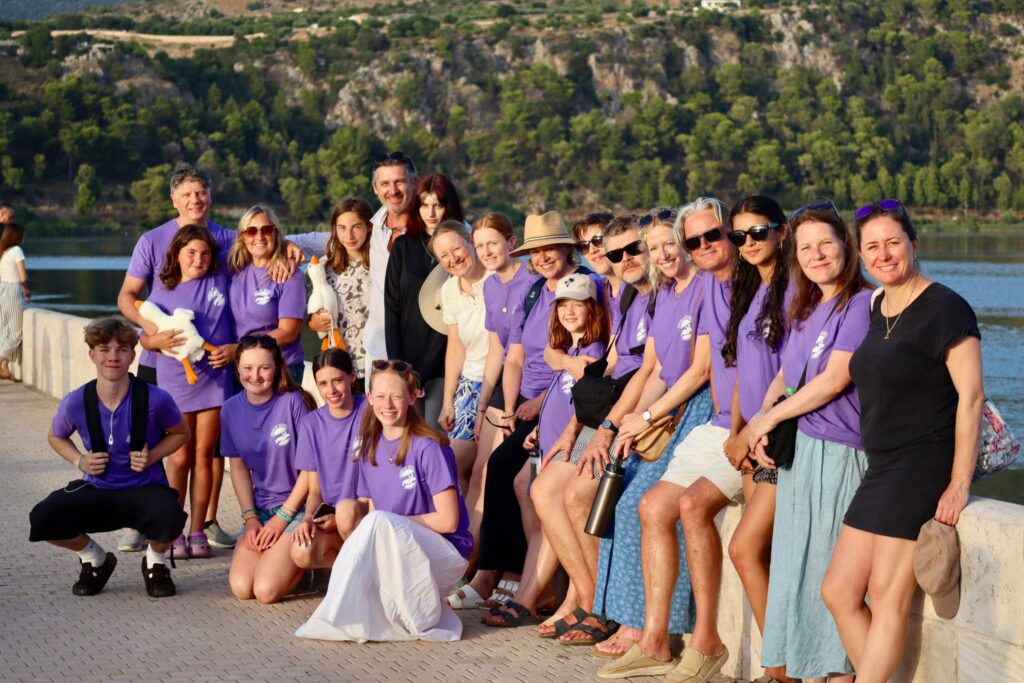
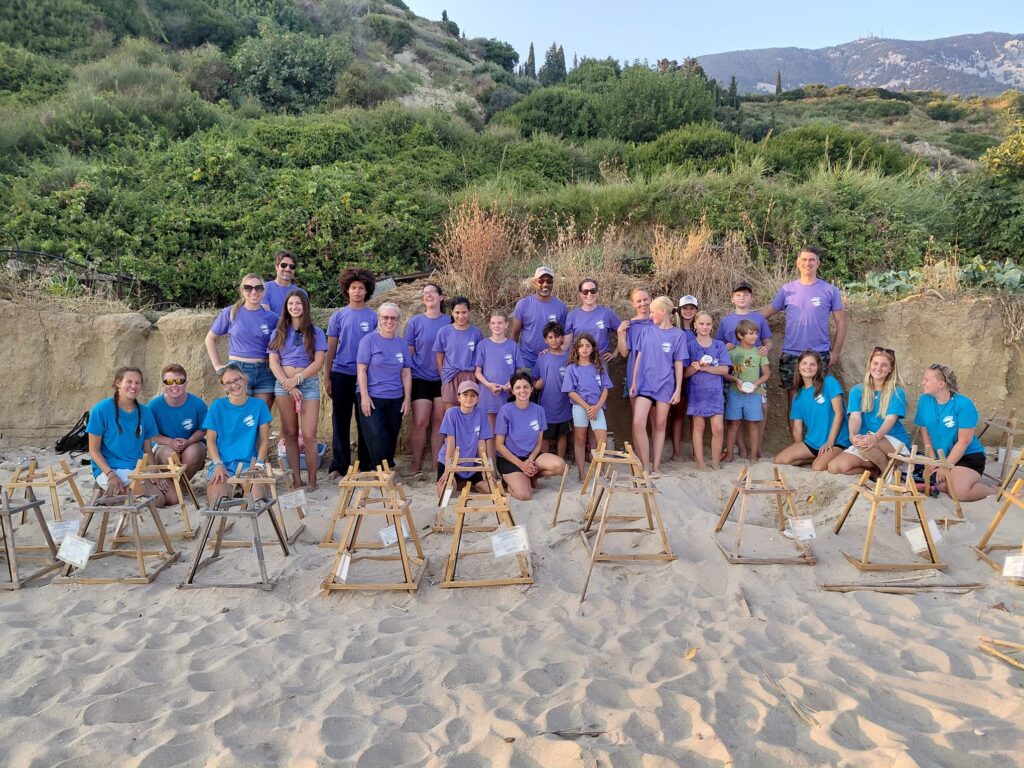
We look forward to more hatching activity and meeting new enthusiastic volunteers in the coming weeks!