Our Latest News- May 25, 2026
Svoronata Field Station
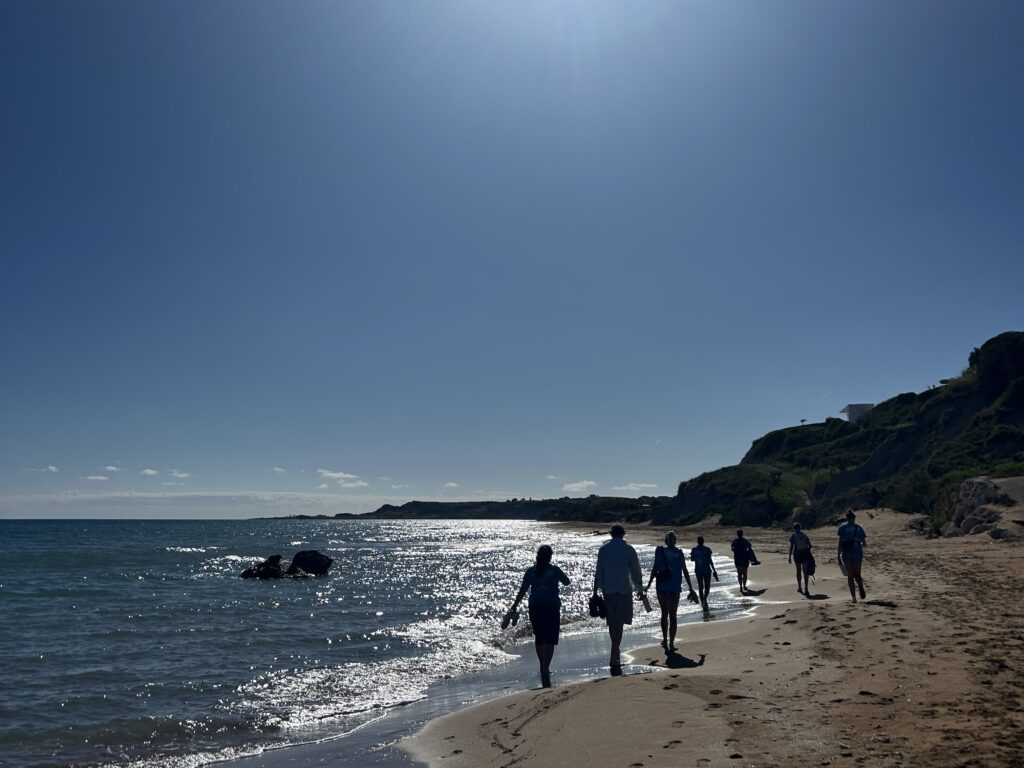
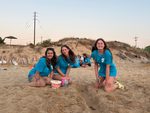
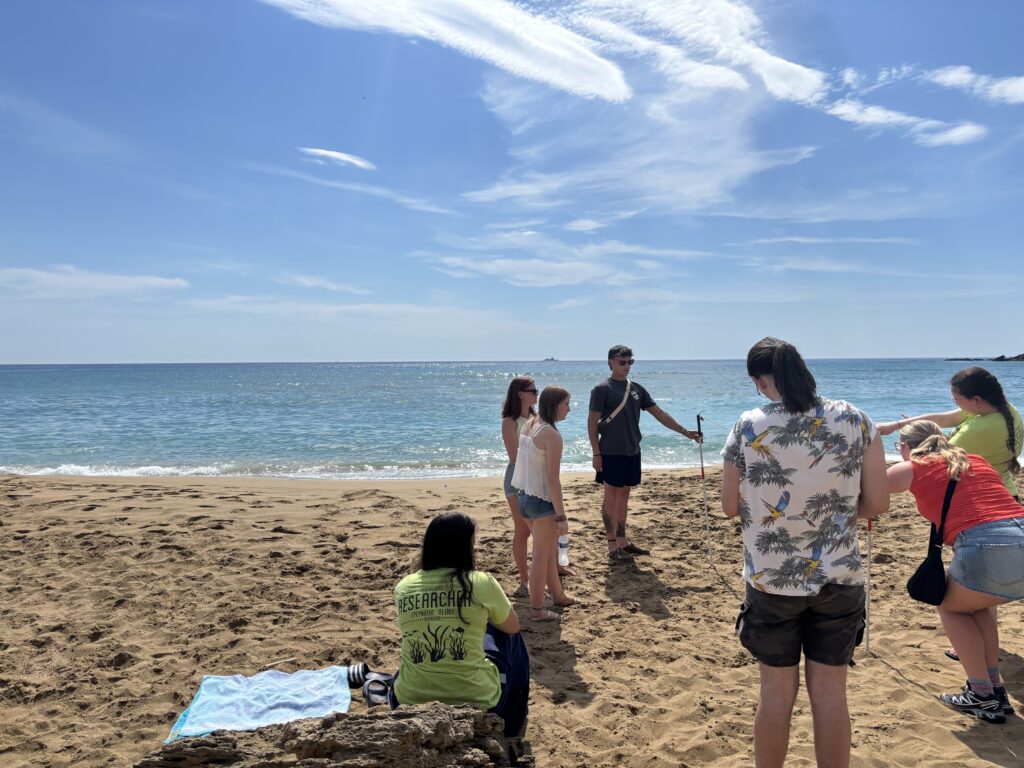
The first group of volunteers arrived at Svoronata field station this week! Everyone is really excited for the season to begin, and the volunteers have been really enthusiastic. They had their first practice snorkel, induction and have now also started their shifts this week.
The volunteers had a very exciting first shift to Saint Theodore’s lighthouse for the first bird survey shift of the season! The volunteers saw lots of different bird species and have been ticking off the ones they saw on our bird bingo, alongside entering the data. This year at Svoronata, we have also decided to start the Big Birdwatch! So that we can find out how many species of birds the volunteers see here on site at Svoronata, as well as on their shifts. It will be exciting to see how many we see across the season.
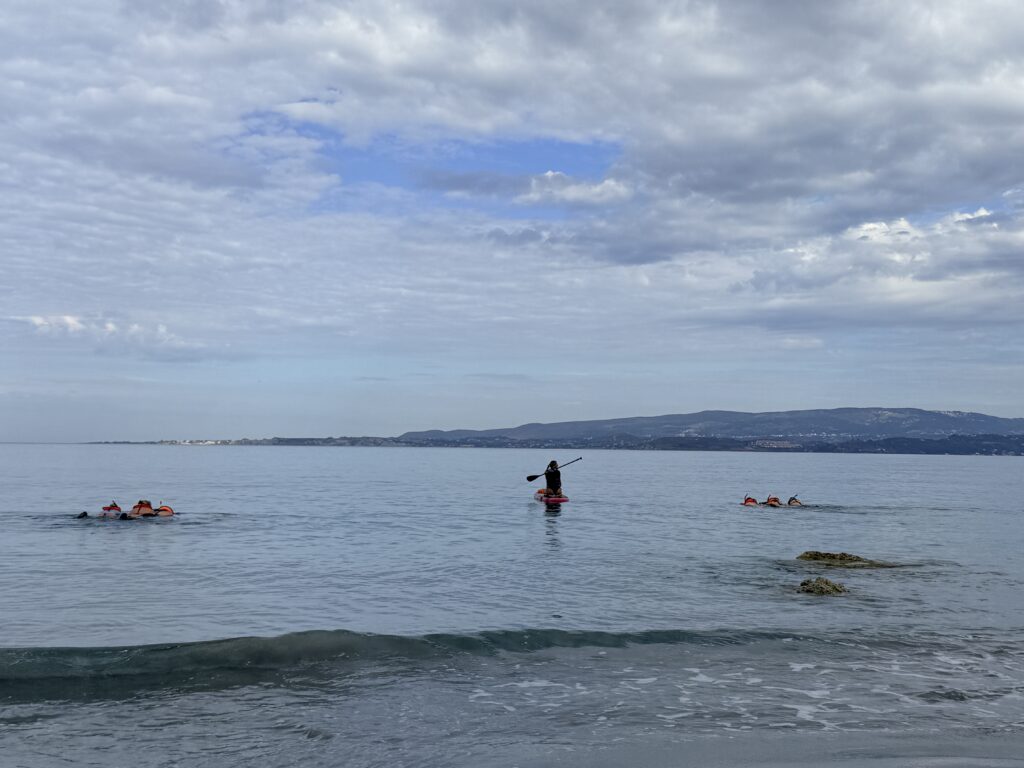
As well as the bird bingo, volunteers have also been completing the snorkel bingo following snorkel survey shifts. The volunteers have done really well completing successful snorkel survey shifts and have been keen to learn about the importance of the seagrass, for example, the Posidonia oceanica, and the contribution they are making to help to protect such species. The team were also really excited to discover a sting ray on their second snorkel survey shift!
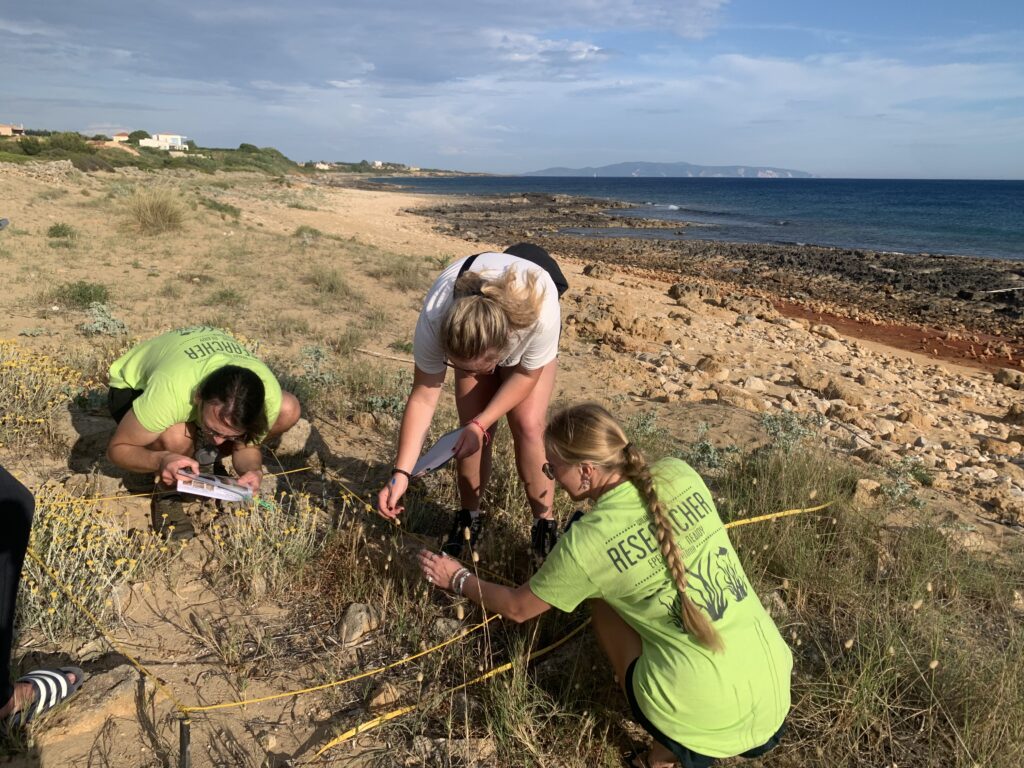
Finally, in the first sand dunes survey of 2026, volunteers had a really enlightening shift, discovering multiple plant species using the plant identification guide in every quadrat that they were recording! Therefore, learning about these unique ecosystems’ high biodiversity and the importance of protecting these specialised species, for example, Pancratium maritimum.It’s been a great first few days, and we’re really looking forward to investigating, learning and researching more across the season!
Lixouri Field Station
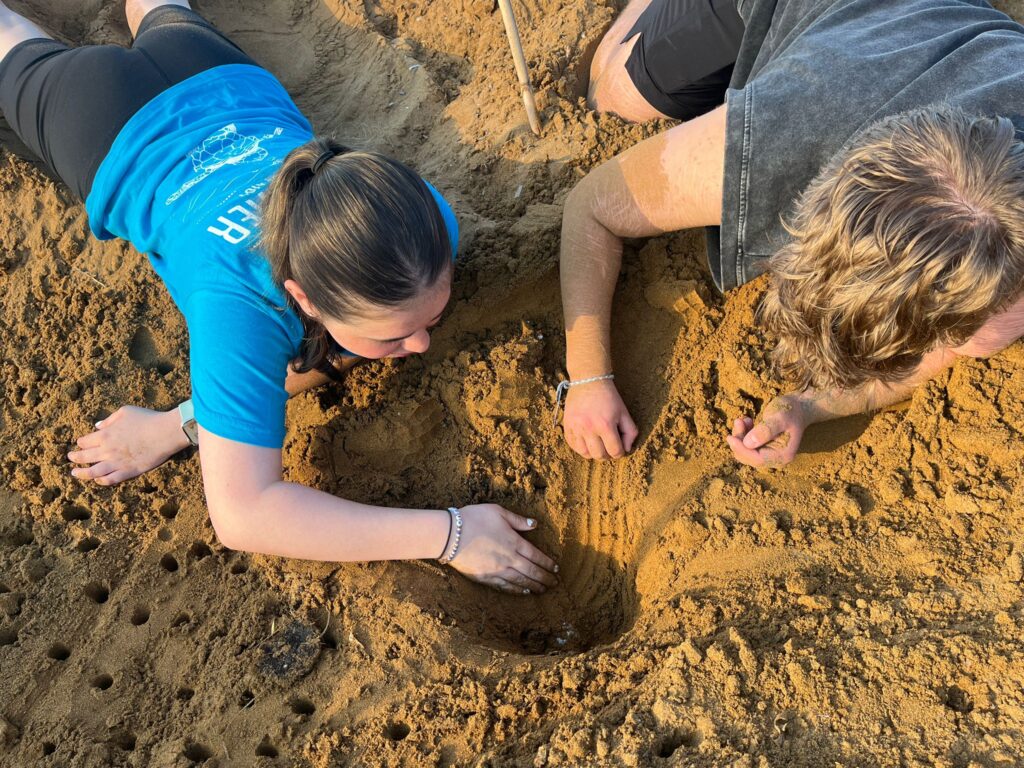
We have now welcomed our first group of volunteers to the Lixouri Field Station! On their training day, we took them down to the beach for survey demonstrations and showed them a track with an abandoned egg chamber that one of our nesting females had left the night before. It was great to see them get stuck in, asking questions and working out exactly what this female had done for themselves!
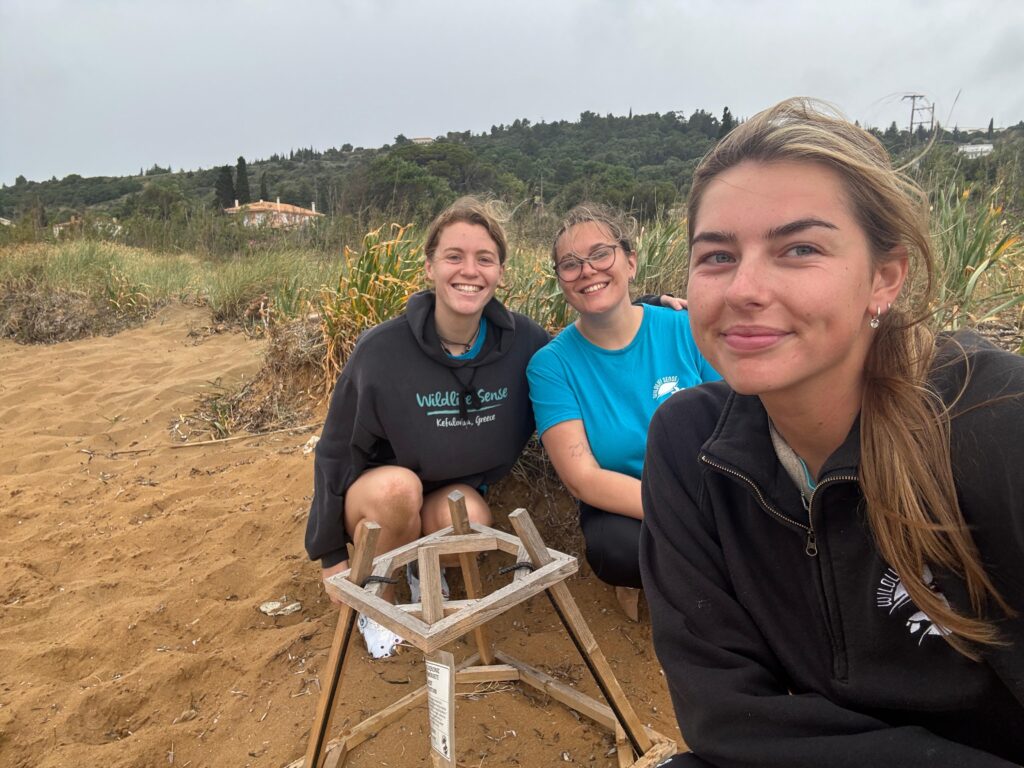
After nearly a week in, we have recorded over 40 emergences across our different beaches. From these emergences, we now have our first four nests of the season across two different survey areas, with the first laid on the 16th of May, just days before our first group arrived! We had our first relocation of the season on the 23rd of May, as one of the nests had not been laid in the most suitable location. It has now been moved to one of our hatchery locations, in a much more suitable spot!
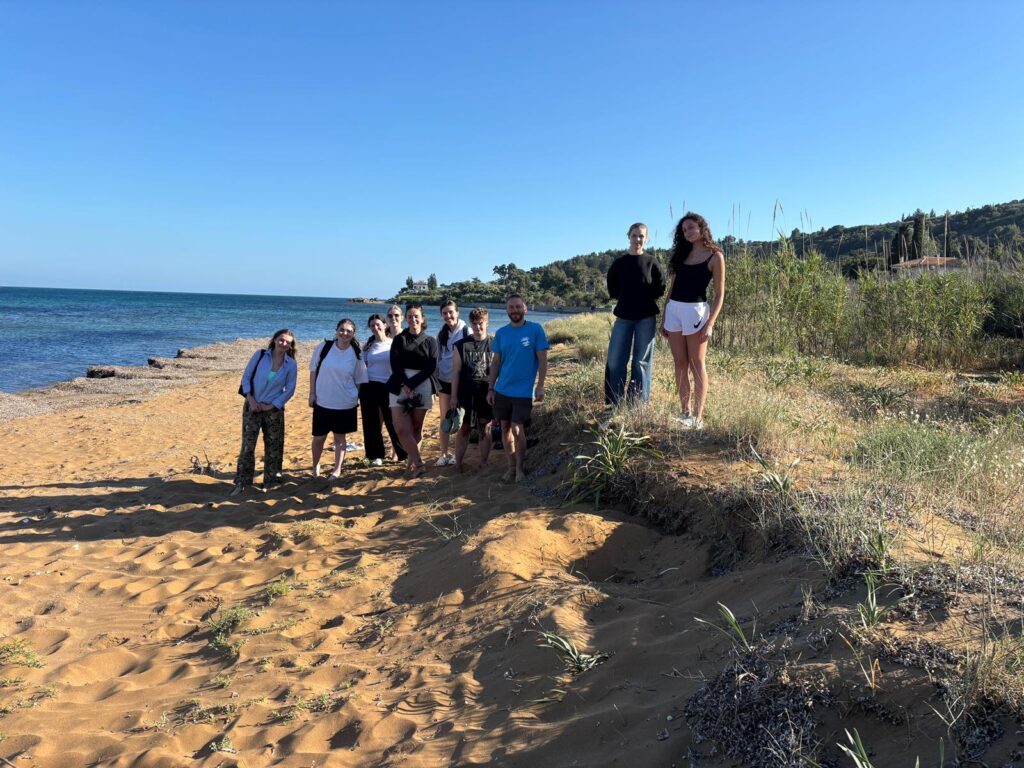
Our volunteers have been exploring and enjoying Lixouri and everything it has to offer, with our first few activity nights, including Souvlaki, Rounders, and Quiz night, going down an absolute treat!
Argostoli Field Station
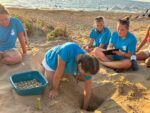
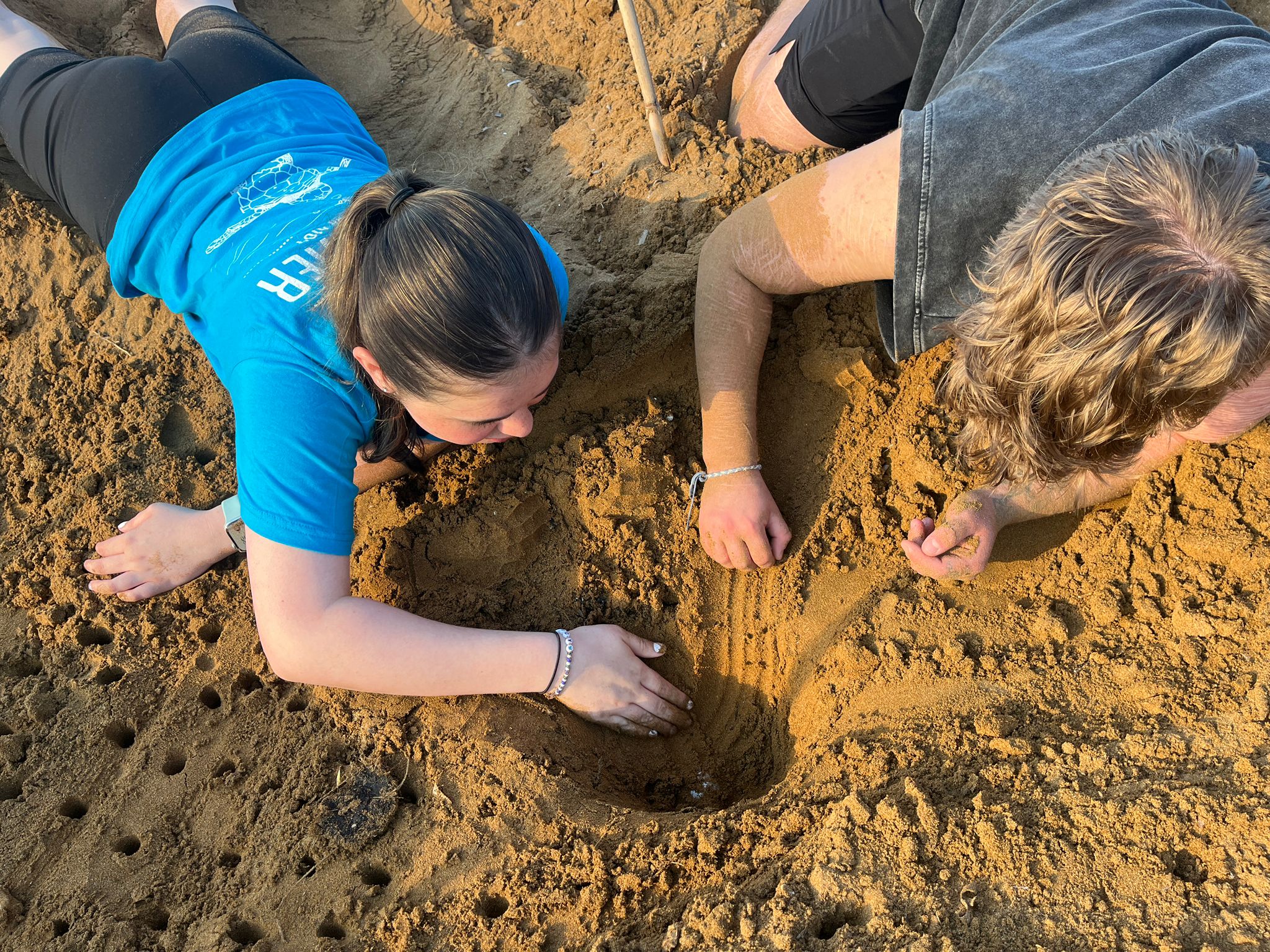
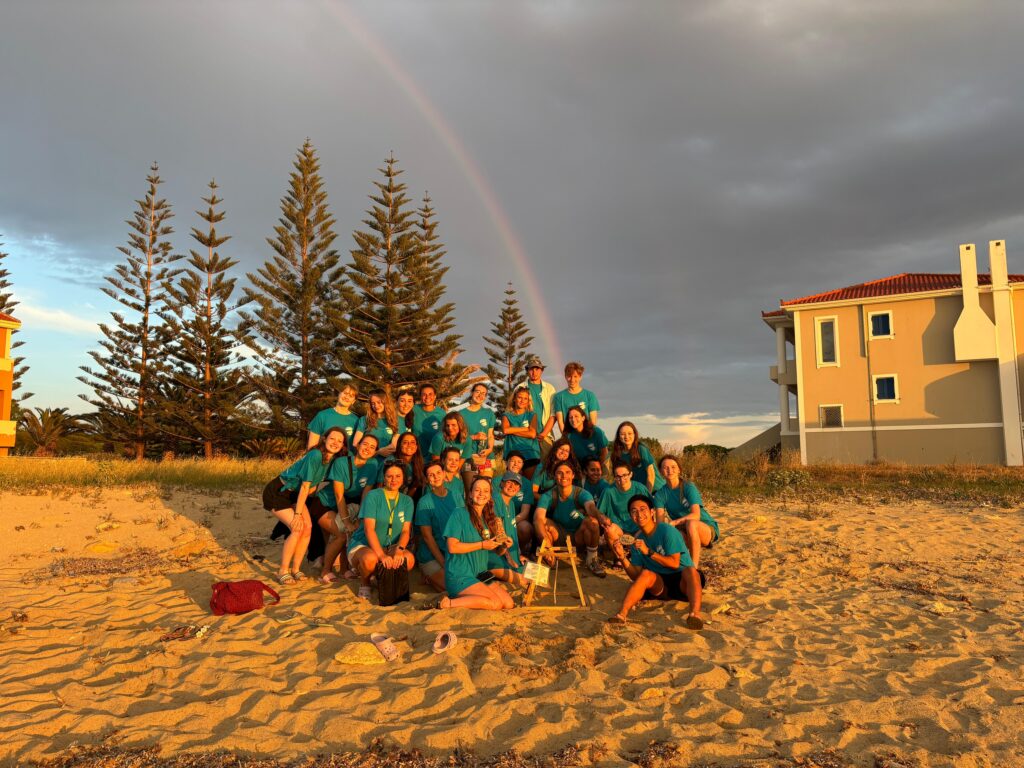
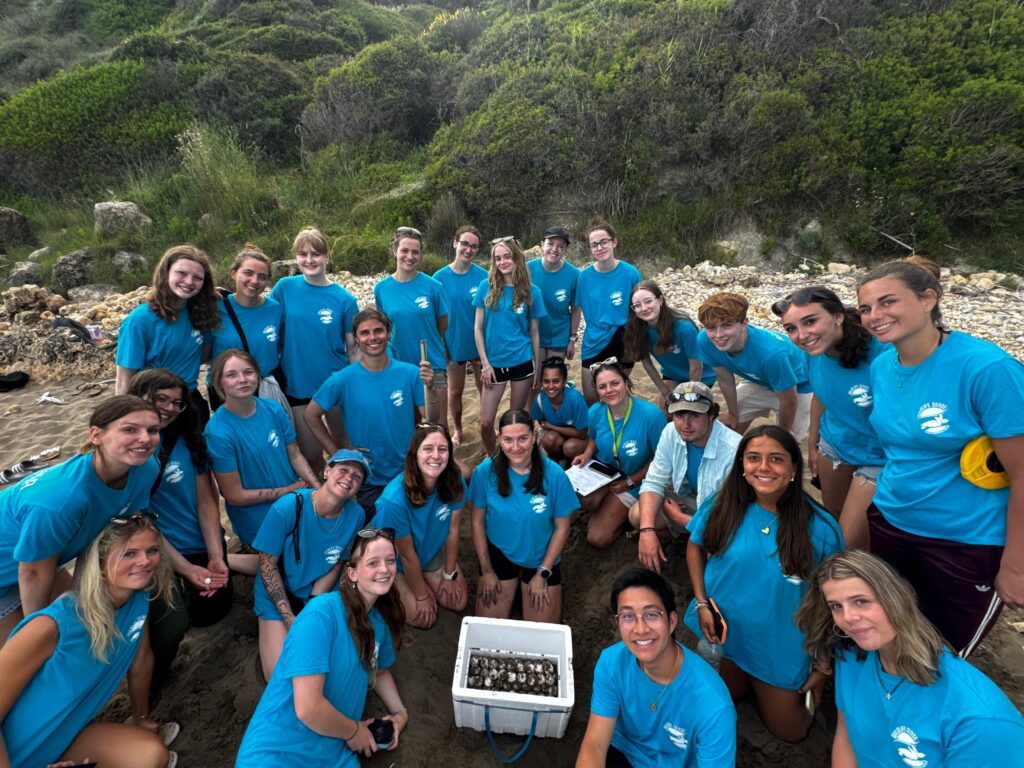
With a new group of volunteers, we continue our focus on our capture-mark-recapture project while also transitioning into nesting season! Yesterday, the team celebrated World Turtle Day, which was followed by Argostoli’s first nest of the season at Ai Chelis. We took the volunteers down to the beach for a successful group dig with a clutch size of 112 eggs! We also relocated the nest to a safer beach where there is less risk of inundation.
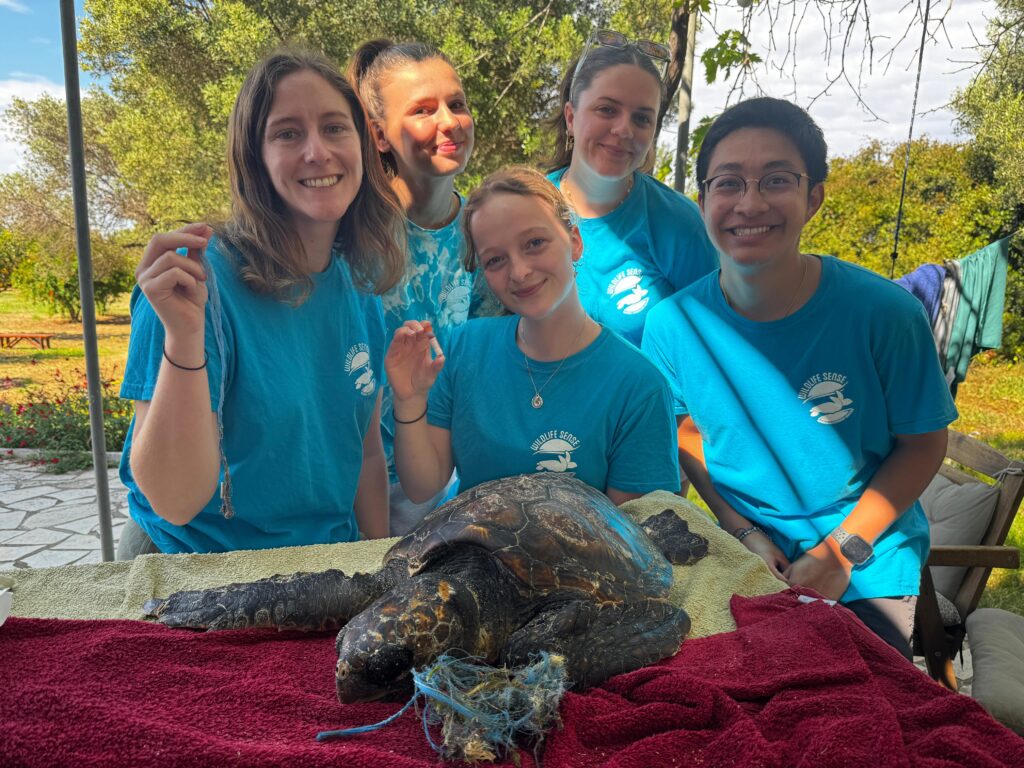
We also helped rescue a juvenile loggerhead located at Agia Kyriaki. The turtle, Kyra, was entangled in rope and net around its neck and front right flipper and had unfortunately ingested some of the rope, but was successfully removed. Kyra was carefully assessed by the team before the rope was removed, giving the juvenile loggerhead a much better chance of recovery. Cases like Kyra’s highlight the ongoing threat marine debris poses to sea turtles around Kefalonia.
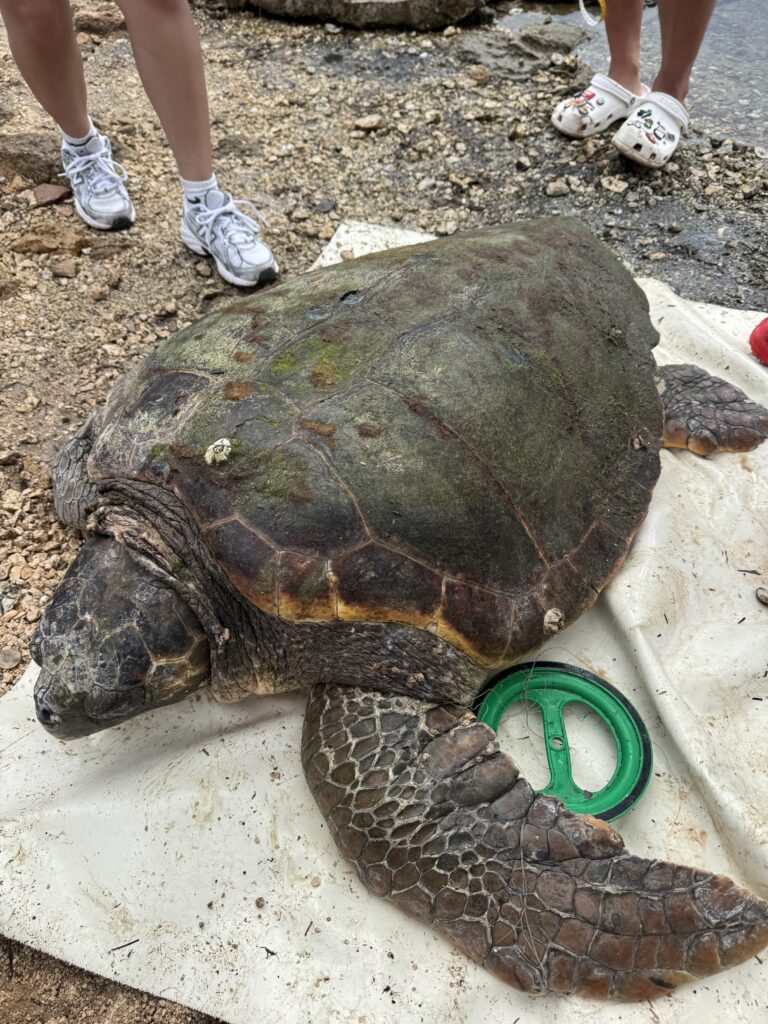
During our capture-mark-recapture project, we encountered multiple injuries, but one stood out in particular. One of our local residents in Kefalonia, Pluto, was found with fishing line entanglement wrapped around his front left flipper. Pluto was able to have the fishing line successfully removed by the team and was released back into the sea.
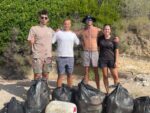
We also continue monitoring local beaches through our beach profiling and beach clean shifts. These surveys help us better understand how the beaches are changing throughout the season, allowing us to make safer relocation decisions for nests by identifying better beaches or more suitable locations on the same beach.